MARCO
MANNUCCI
FACILITY MANAGEMENTTORINO · MILANO / 2009–2018

BEFORE THE GAMES,
THERE WERE THE BUILDINGS.

Nearly a decade of direct responsibility for public sports facilities. Passo Buole taught me what it means to own the problem; Kennedy taught me how to read a larger system, redesign the operating model and leave a structure capable of continuing without me.

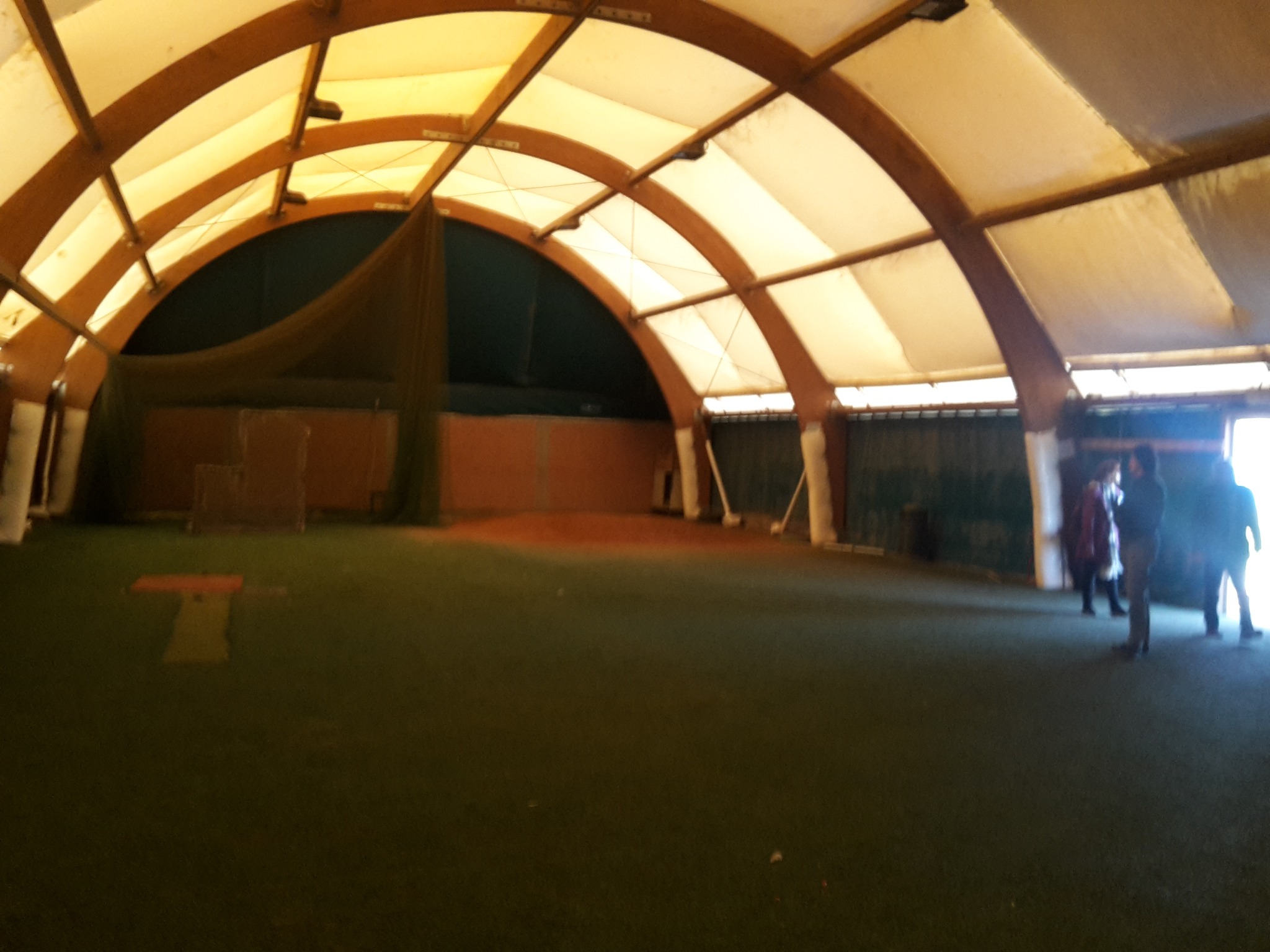
Passo Buole Sports Complex in Torino
PASSO BUOLETorino · 2009–2017
FIRST INDEPENDENT OPERATIONBuilt a management model from zero after municipal operation
KENNEDYMilano · 2017–2018
FACILITY MODELOperations · sport programming · maintenance · concession development

Passo Buole was the first professional activity I built seriously on my own — the first time I was the person at the top of the chain when something worked, and when something did not.

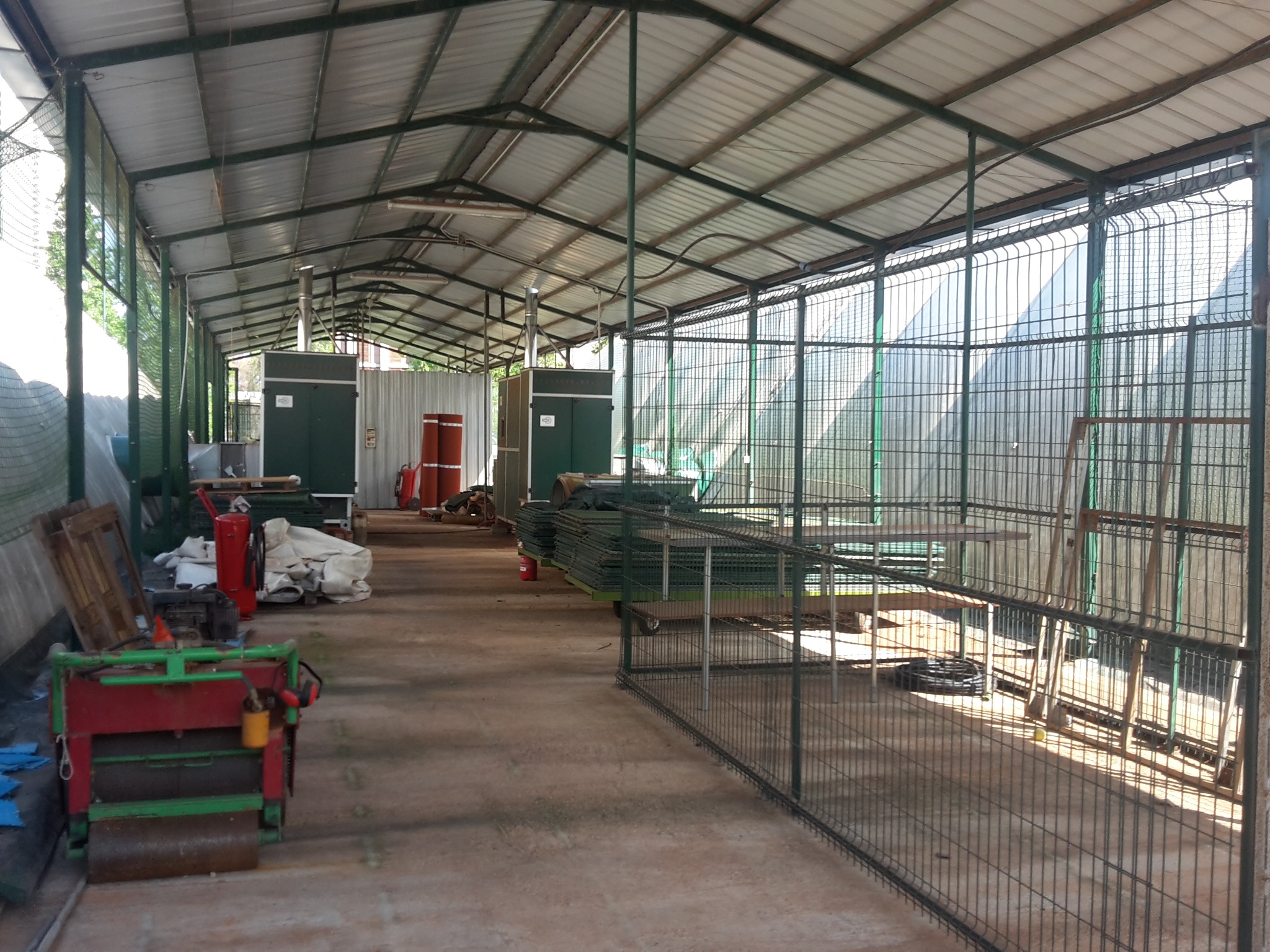
The complex had previously been managed directly by the municipality. Taking it on meant creating the operating model from zero: people, opening and closing routines, maintenance priorities, suppliers, scheduling, relationships with users and the municipality, and a way to make the place economically and socially active.

WHEN SOMETHING BREAKS, YOU PAY FOR IT.

That simple reality changed the way I approached every project that followed. Resources were limited, so maintenance required creativity, judgement and constant prioritisation. It taught me to respect the position of the owner even when I later worked as a project manager, venue manager or freelancer.

Operate it as if it were yours. That mindset has stayed with me ever since.
MAKE THE PLACE LIVE

A FACILITY IS NOT A SCHEDULE.
IT IS AN ECOSYSTEM.

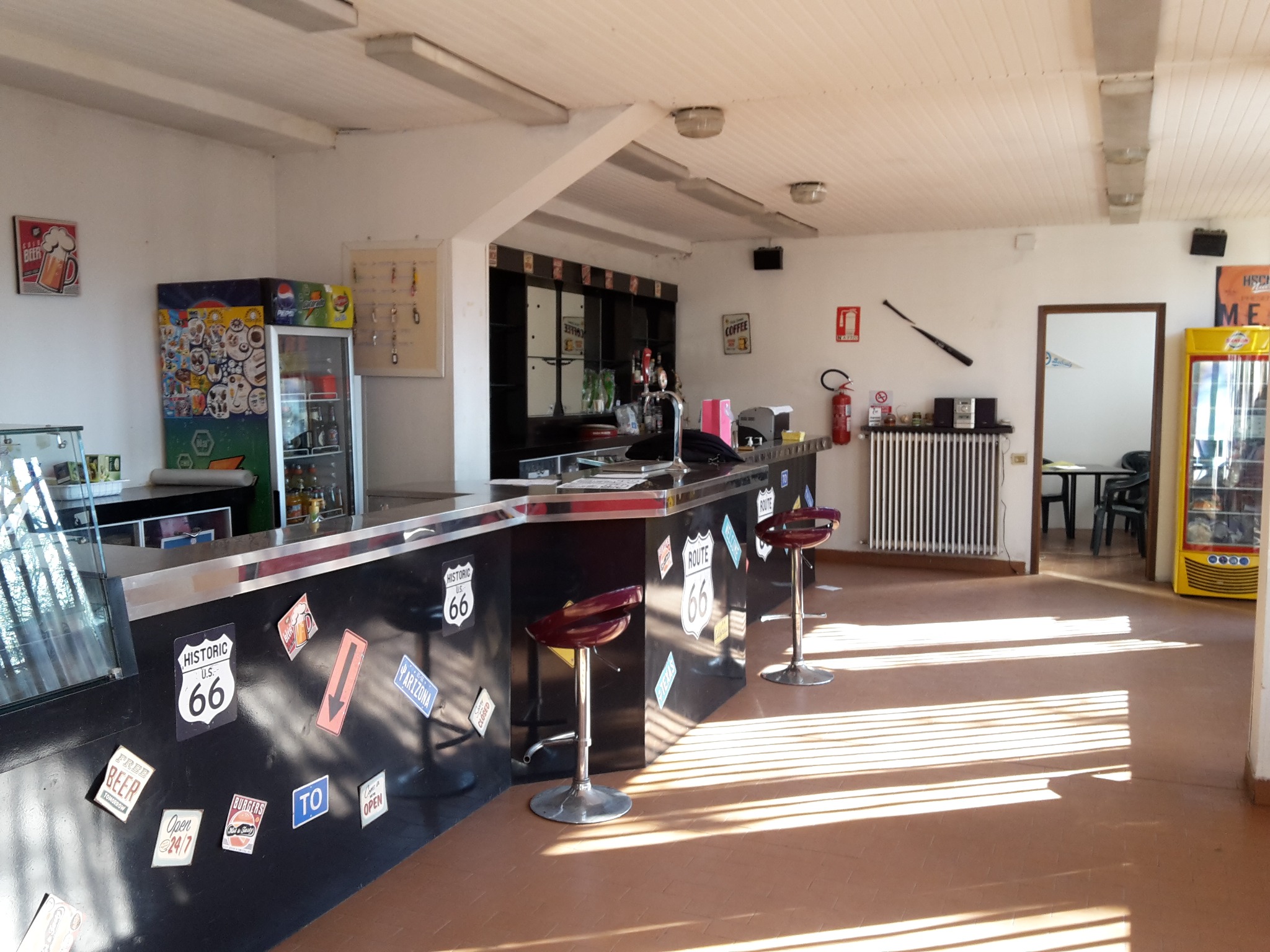
The work was not limited to keeping the doors open. Passo Buole became a place where sport products, events, social projects and territorial relationships could be created.

Long Game, Turin Softball League and Northwest League were among the sporting initiatives developed through the facility. Other projects connected the venue with the wider community. The important pattern was consistent: use the building as a platform, not as a passive container.

Over eight years, hundreds of ordinary operational problems and many different projects passed through the same place. Some survive in memory as major episodes; others re-emerge only when an old photo or video brings them back.

Homerun 2010 is useful precisely because it does not define the Passo Buole years. It is one example of what could grow out of that facility: a social project, connected to the territory, and the first initiative for which I secured public funding for delivery.

The video survived. That makes it a valuable archive fragment — evidence of a way of thinking that already existed then: create projects around the venue, build institutional connections and use sport for purposes wider than the competition calendar.

HOMERUN 2010 · archive video · one of the projects developed through the Passo Buole experience.

It belongs here as a chapter, not as the headline. Passo Buole was eight years of ownership, operations, people, events, maintenance and community — far larger than any single project.

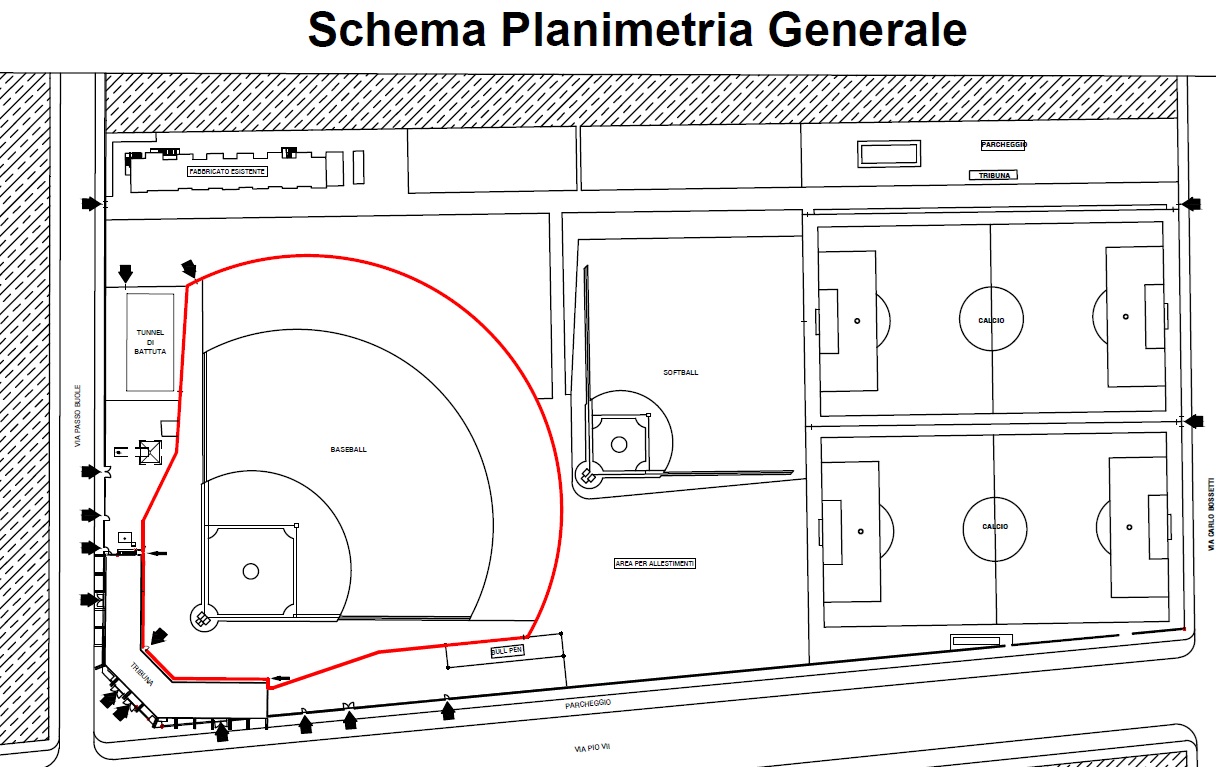
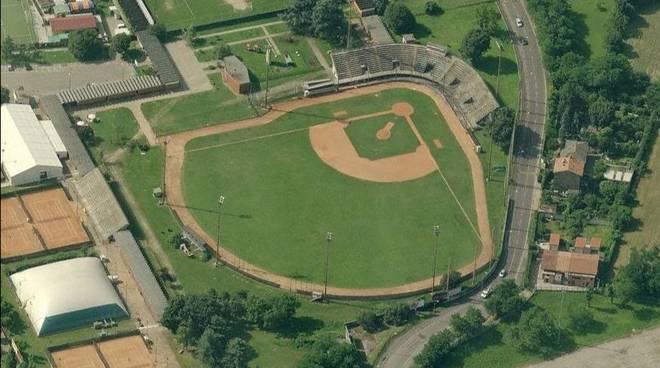
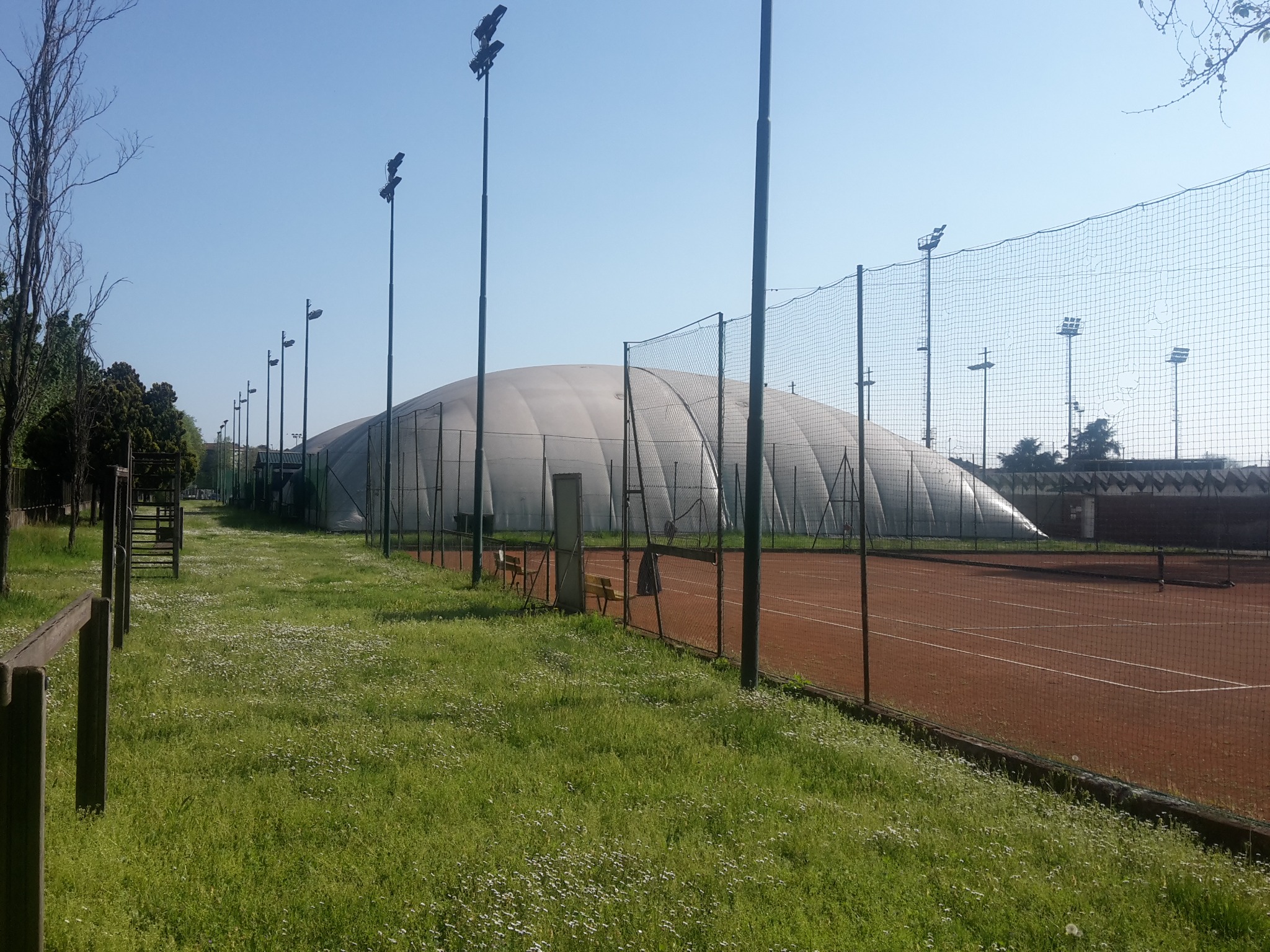
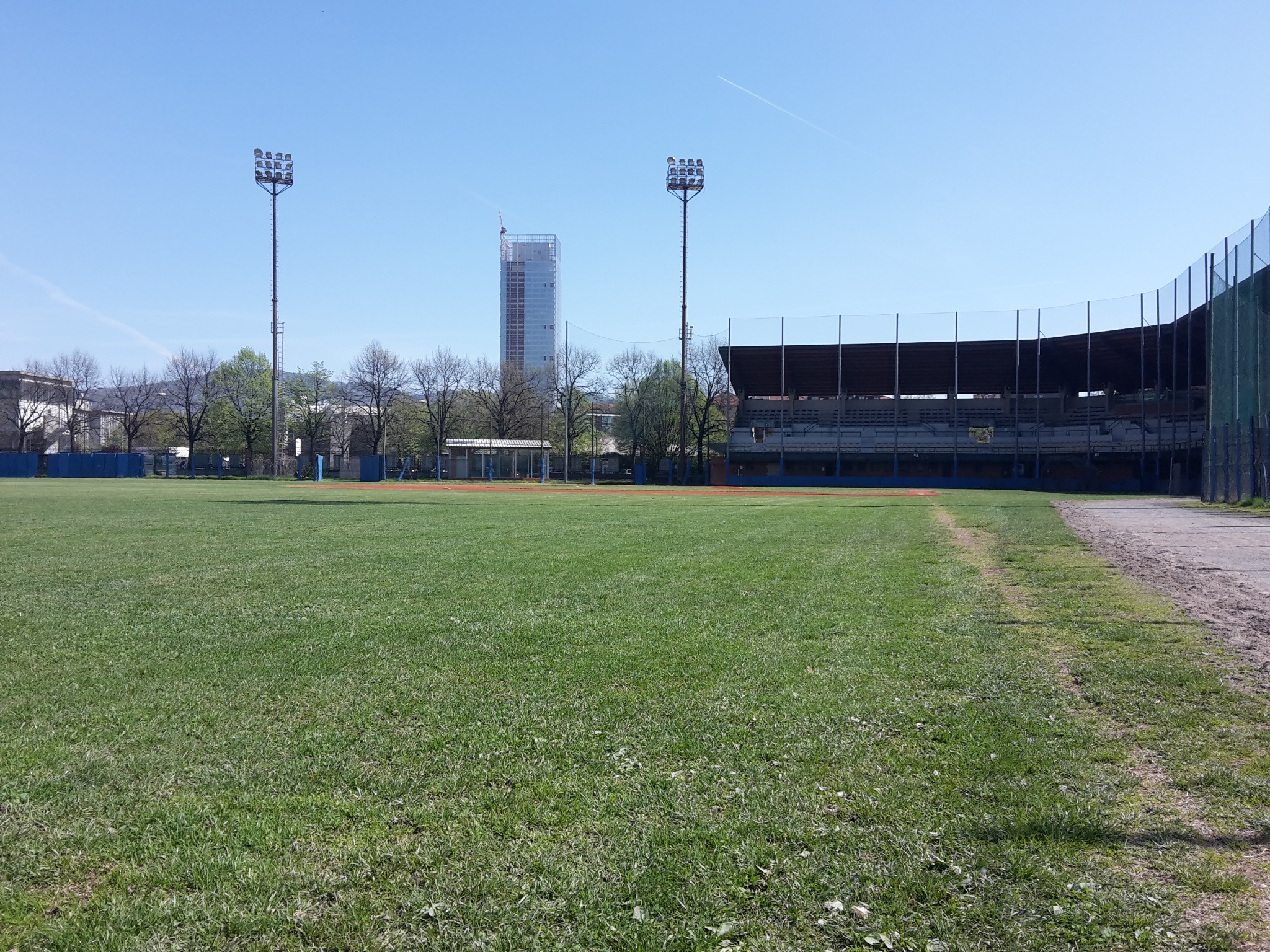
Kennedy changed the scale. A much larger area, another historic stadium of Italian baseball, a softball field, seven tennis courts, a gym, a children’s playground, meeting rooms and an apartment — each with its own operating and maintenance implications.

I arrived, read the facility and quickly understood where the model needed to change. The tennis school was rebuilt: instructors, programmes and the sporting offer. The commercial proposition to the local market was reconsidered. Staffing, front-office routines and the way the secretariat worked were reorganised. At the same time, the unglamorous essentials — grass cutting, ordinary maintenance and the daily care of a large public asset — had to be treated with precision.

IT WAS A SURGICAL OPERATION: UNDERSTAND THE SYSTEM, SET THE MODEL, MAKE IT SUSTAINABLE, THEN LET IT RUN.

The municipal interface developed into a 16-year concession agreement. Once the structure was defined, I identified the people and organisations able to carry it forward. The model continued beyond my own tenure — which, for me, is part of the success.

THE LEGACY

THE MODEL SHOULD WORK
AFTER YOU LEAVE.

Facility management taught me something events sometimes hide: every decision leaves a consequence in the building, the budget, the staff and the people who return tomorrow. That discipline became the foundation of my venue work in Major Games.

EVENTS TAUGHT ME SPEED. FACILITIES TAUGHT ME CONSEQUENCES.
Operating principleTreat every venue as if you had to open it again tomorrow.
PROJECTS

THE OPERATING MINDSET MOVED INTO EVENTS.

Explore Major Games & event projects →
GOVERNANCE

ANOTHER SIDE OF RESPONSIBILITY.

Explore governance →