REGIONAL
FIBS Piemonte & Valle d’Aosta · identity, development pathways, Academy and regional selections.
Governance has given me three different vantage points: building a regional sports identity, serving on a national federation Board across three mandates, and working inside European structures during a major institutional transformation.
FIBS Piemonte & Valle d’Aosta · identity, development pathways, Academy and regional selections.
FIBS Federal Board · territory, systems, resources, process, accountability and sustainability.
CEB Executive Committee + WBSC Europe Vice Presidency · European sport governance and institutional integration.
The objective was not simply to coordinate a limited number of clubs. It was to make them feel part of something larger: a regional system with its own identity, ambition and sense of belonging.
As Regional President, I worked to connect clubs, athletes, coaches and regional structures so that representing Piemonte became something young players could genuinely aspire to.
Regional selections were central to that idea. They created a realistic intermediate goal for athletes from every club: improve, earn selection and represent the region — a national team within reach.
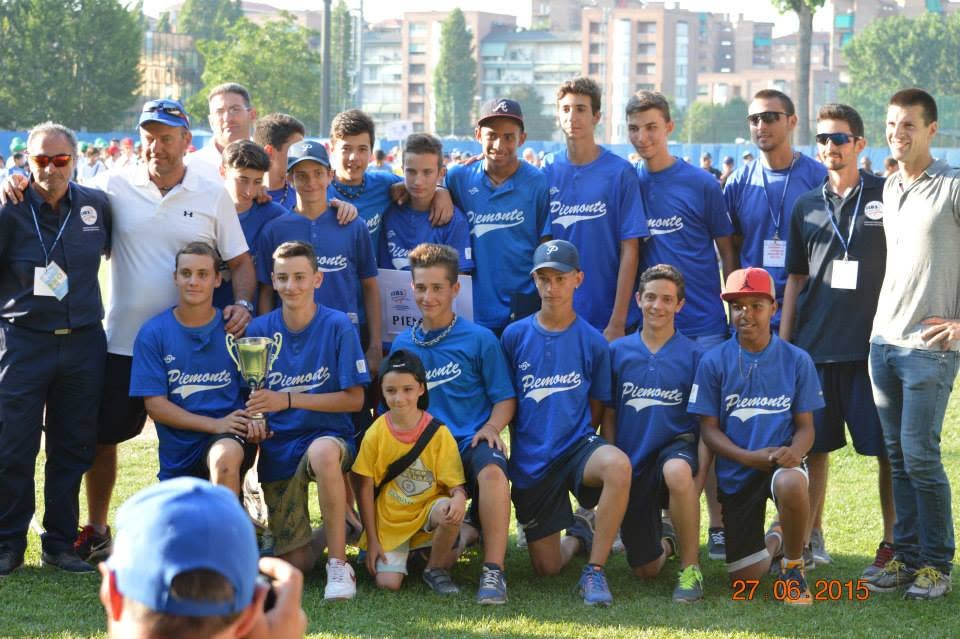
Strong regional teams gave young athletes an immediate target beyond club competition. The Junior League Baseball selection became a clear example: a team built largely around players developed through the Piemonte Academy and capable of winning the national regional competition in its category.
The Academy was designed as an additional development environment, not a replacement for club coaching: bring promising athletes together, expose them to higher-level technical work and create a common regional pathway.
The point was structural. Development, identity and performance should reinforce each other.
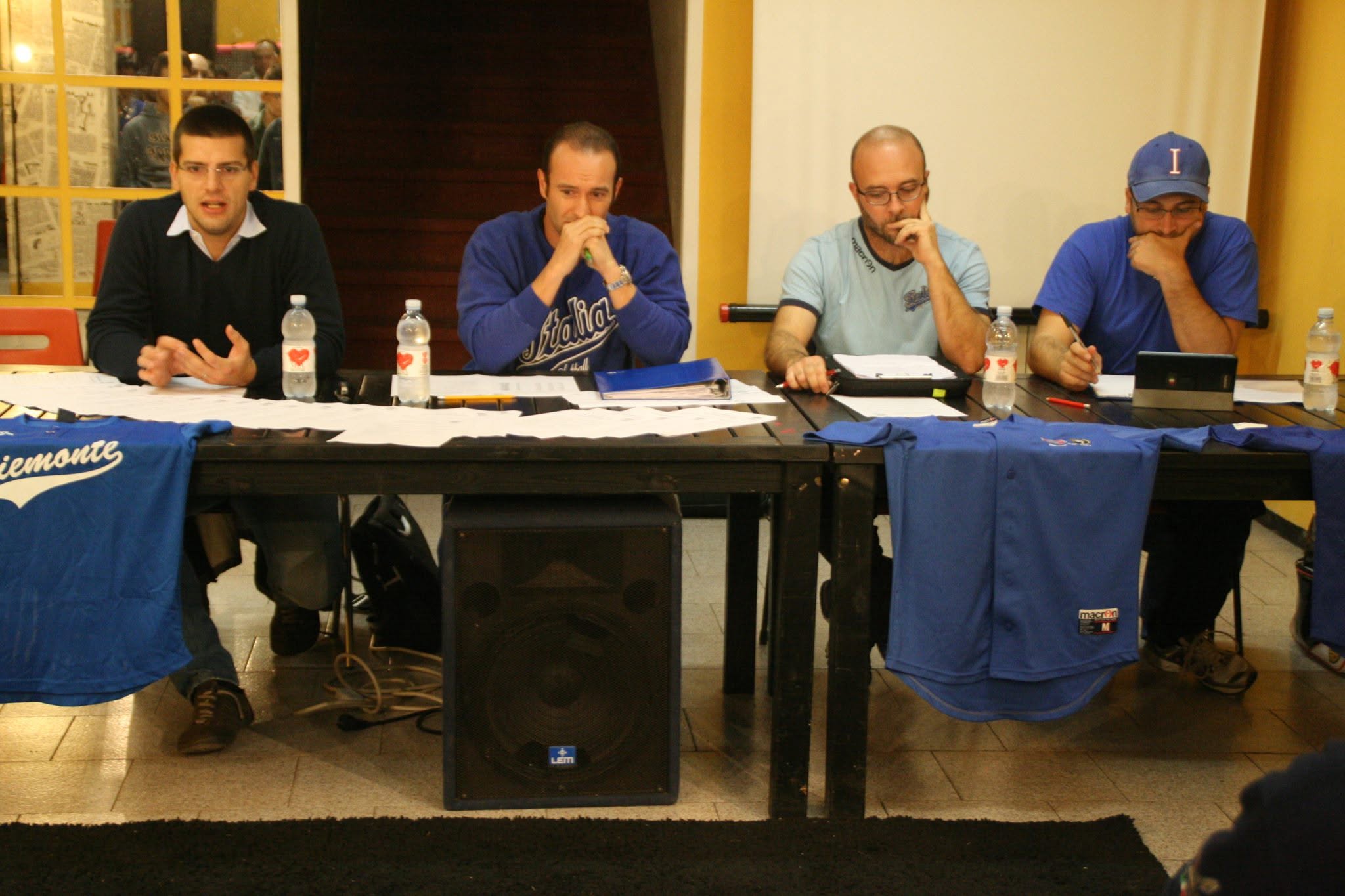
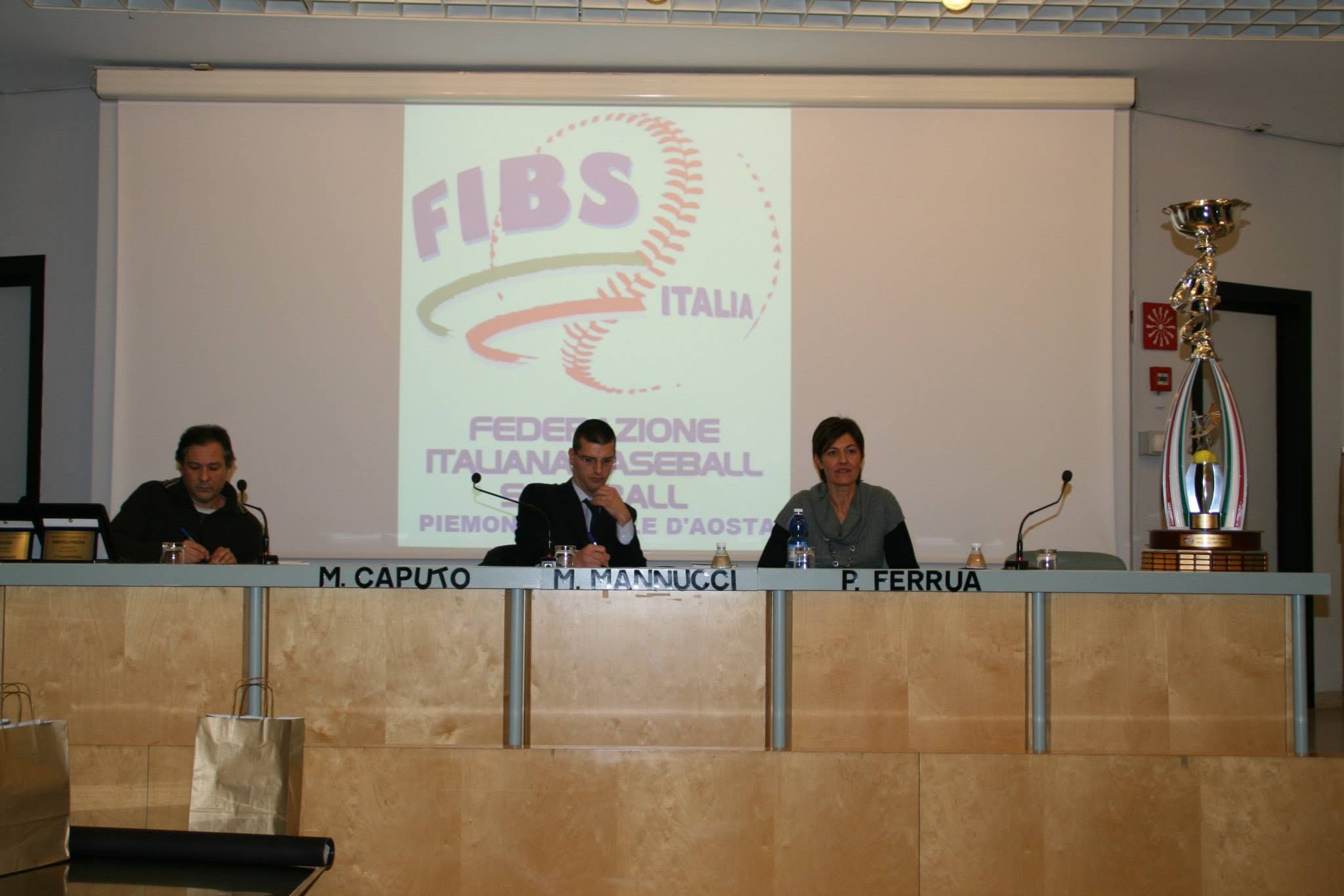
Small competitions, awards, meetings and promotional initiatives helped create visibility around athletes and clubs and reinforced the idea of a shared sporting community. The scale of each initiative mattered less than the continuity of the message: you belong to something larger.
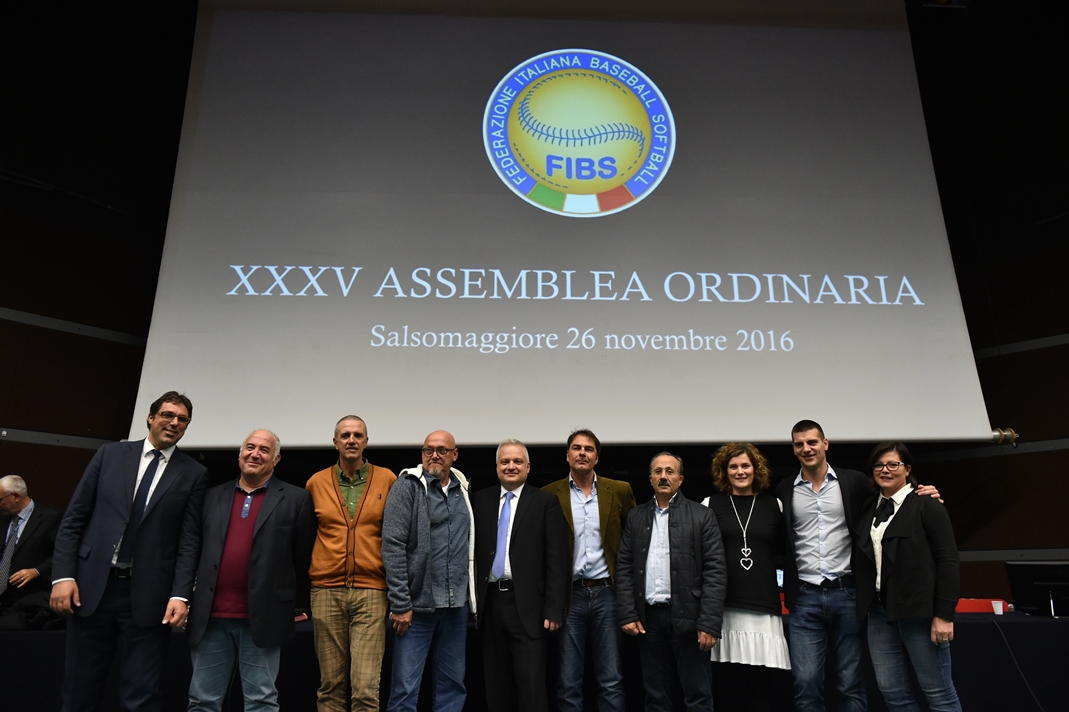
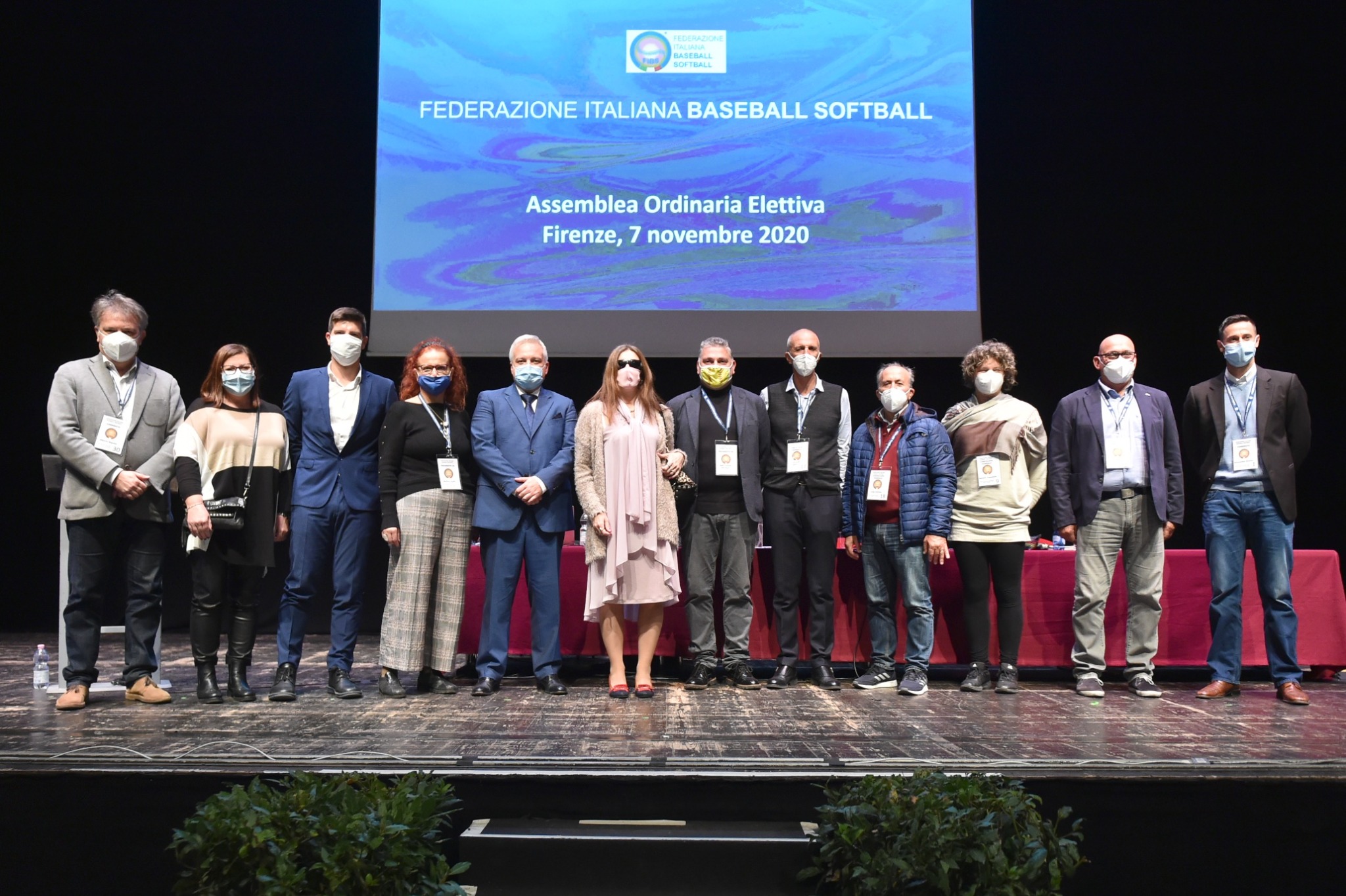
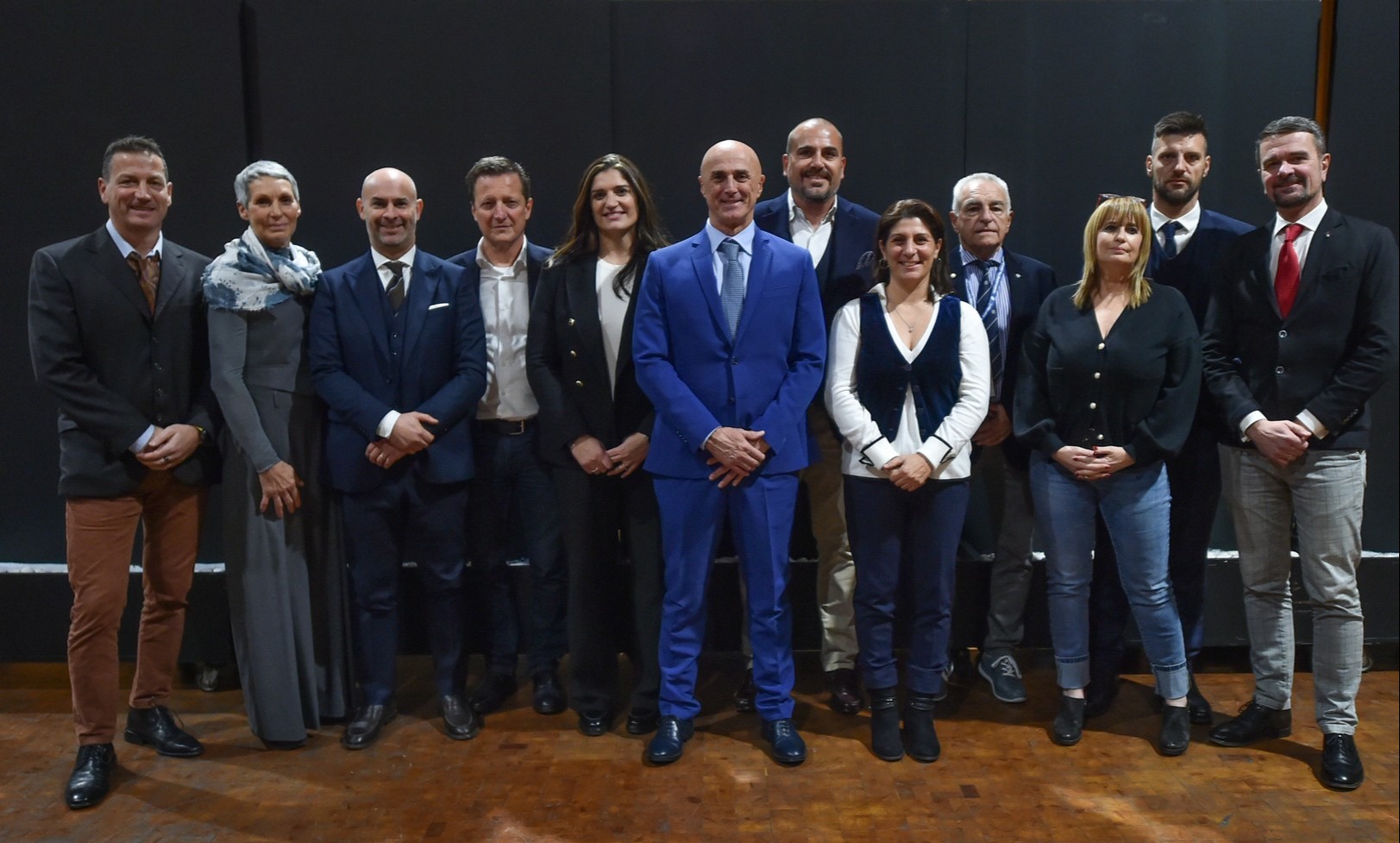
Before joining the national Board, I had already experienced federation governance from the regional side. That perspective never disappeared.
Across three Federal Board mandates, one of my most consistent areas of work has been the relationship between the Federation, Regional Committees and clubs: responsibilities, resources, development objectives and the practical effect of national policy.
Over time, individual operational questions became a broader approach: give territories clearer objectives, defined resources and greater responsibility for the results they are expected to produce.
A key line of work was moving from episodic support for Regional Committees toward structured project funding: defined deadlines, predefined budgets and selection linked to development objectives.
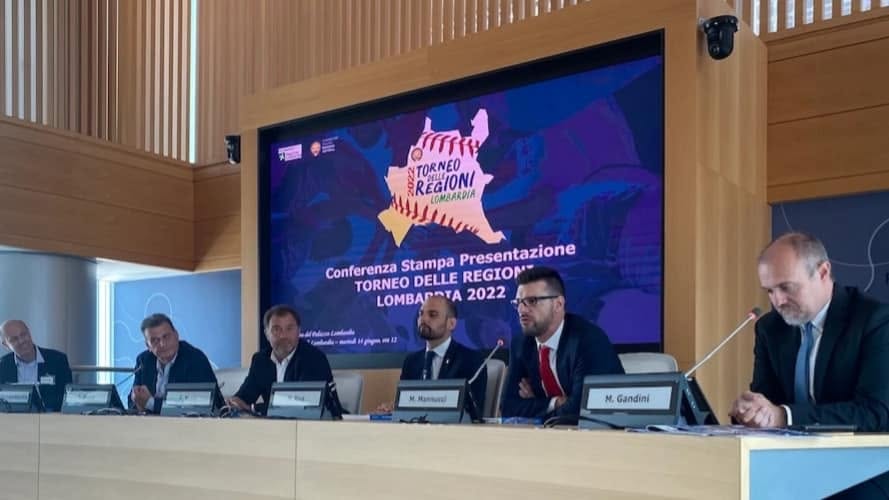
Development work repeatedly brought the Board back to structure: pathways, standards, project evaluation, national direction and local delivery.
The recurring principle was simple: a federation should create mechanisms that help good local work happen again — not depend entirely on isolated initiatives or individual relationships.
My interventions on budgets and allocations have usually started from an operational question: what is this resource supposed to produce?
That means connecting financial decisions to their purpose and asking whether the assumptions behind the budget remain sustainable. The Board does not simply approve numbers; it owns the strategic choices behind them.
Good governance is not only about making decisions. It is also about being able to explain how they were made, what objective they serve and who is accountable for the outcome.
Across the mandates, my attention increasingly moved toward accurate records, clear mandates, correct procedures, defined objectives, economic sustainability and the responsibility of the governing body to examine its own decisions critically.
Entering national governance from a regional and operational background. Clubs, structures, rules, facilities, development and the practical consequences of Board decisions.
Moving from individual decisions to repeatable mechanisms: territorial funding, structured projects, development criteria and clearer responsibility.
More explicit focus on objectives, economic sustainability, decision processes, transparency and whether institutional choices produce the intended result.
Elected to the CEB Executive Committee in 2017, I worked within the continental body responsible for the sporting architecture of European baseball.
The remit was broad and deliberately practical: European national-team and club competitions, competition regulations, player eligibility and international transfers, development of umpires and scorers, member-federation relations, development and promotional initiatives.
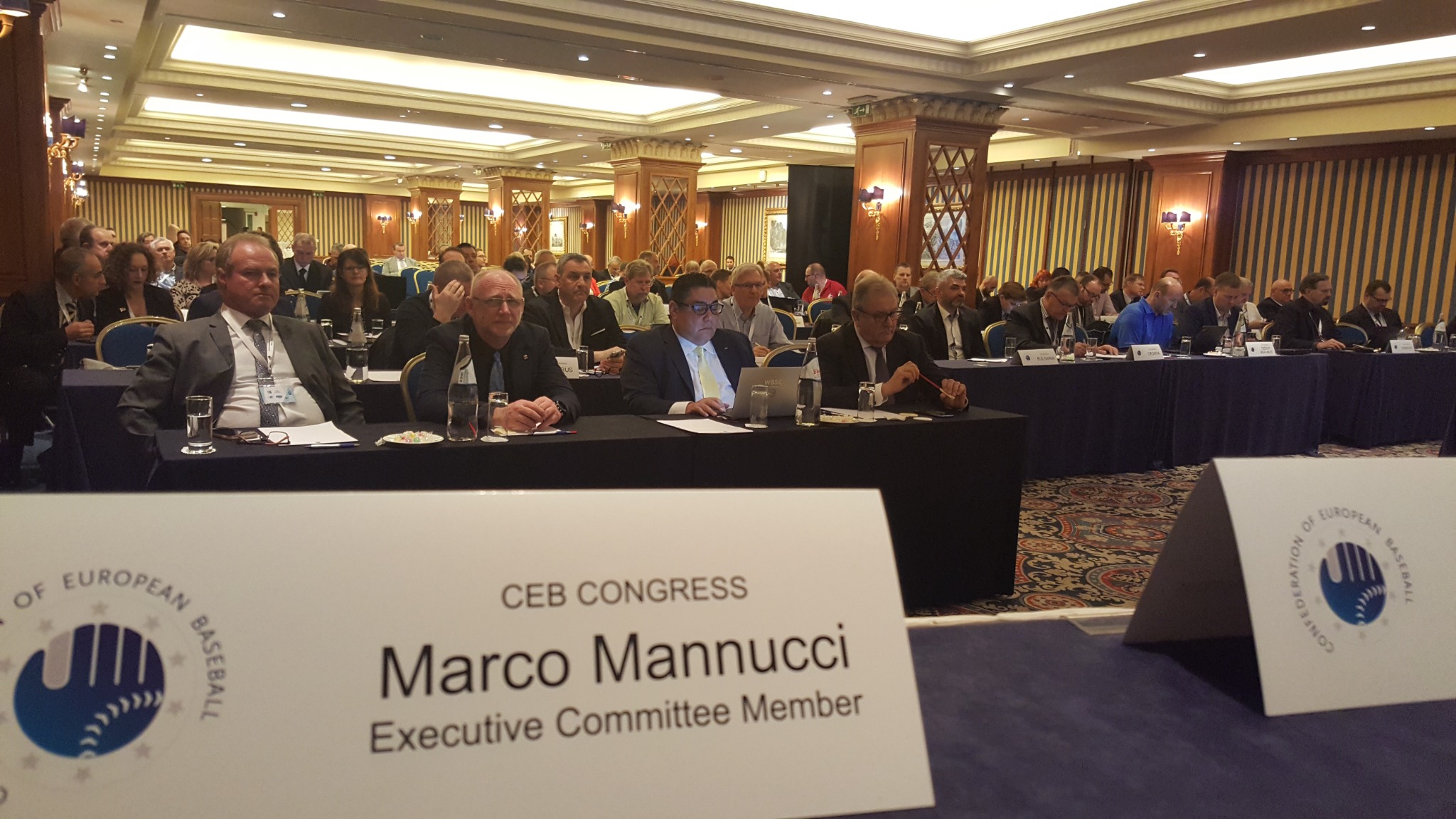
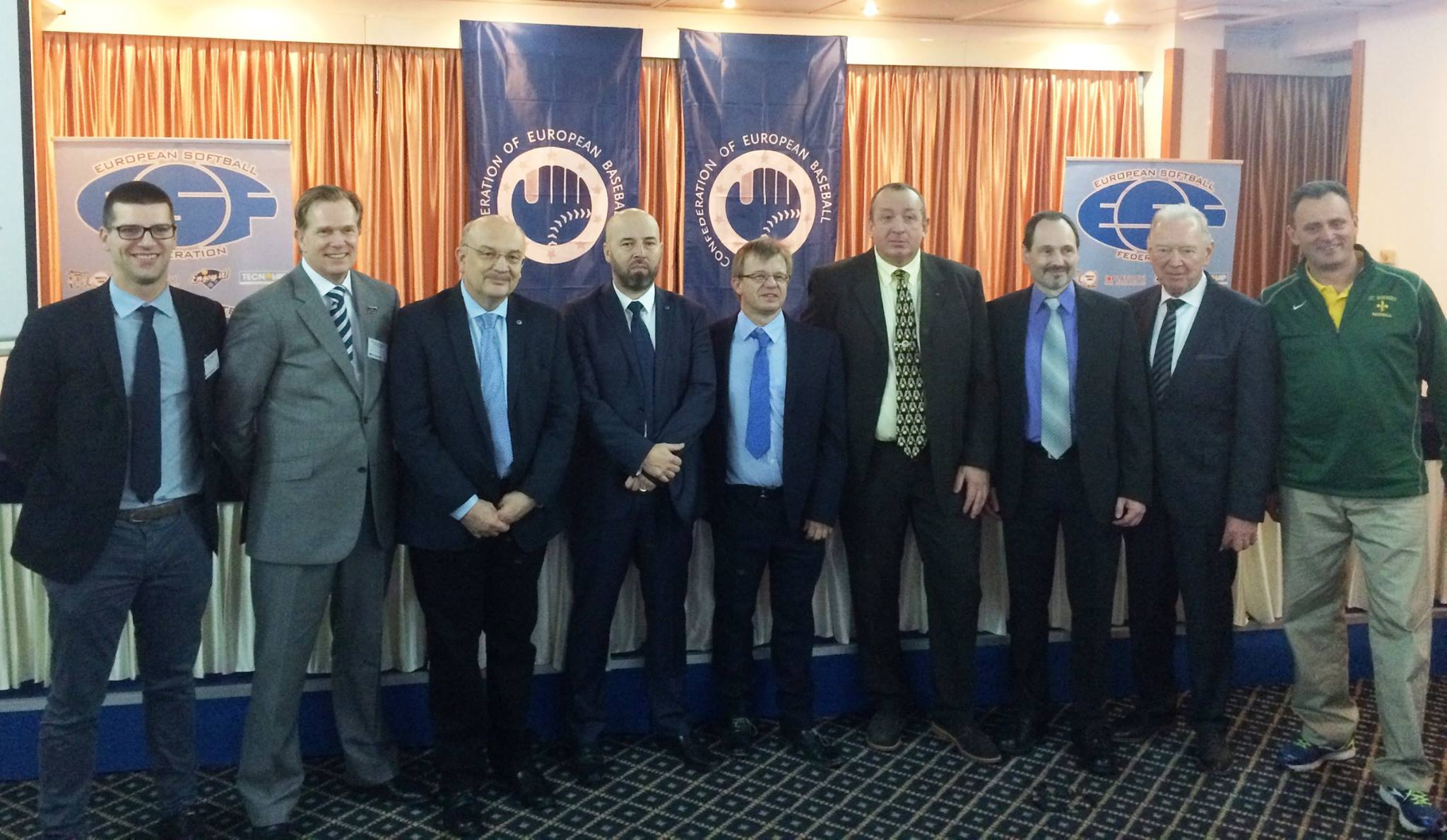
The role added a European layer to competition governance: different national systems, different levels of development, one continental calendar and one regulatory framework that had to work across them.
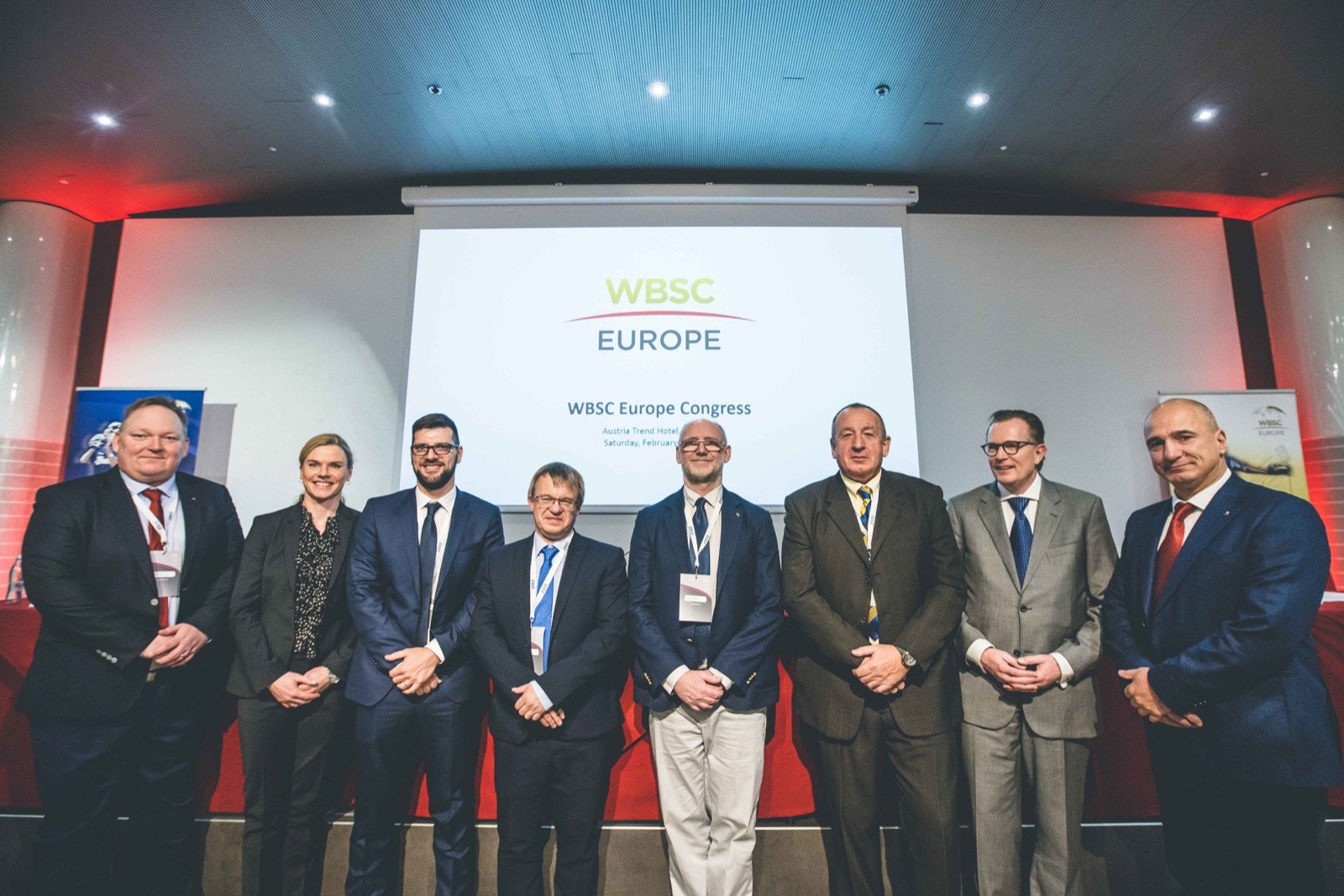
WBSC Europe was first and foremost an institutional project: bring together CEB for baseball and ESF for softball, two organisations with their own histories, cultures and governance structures, into a stronger common European framework.
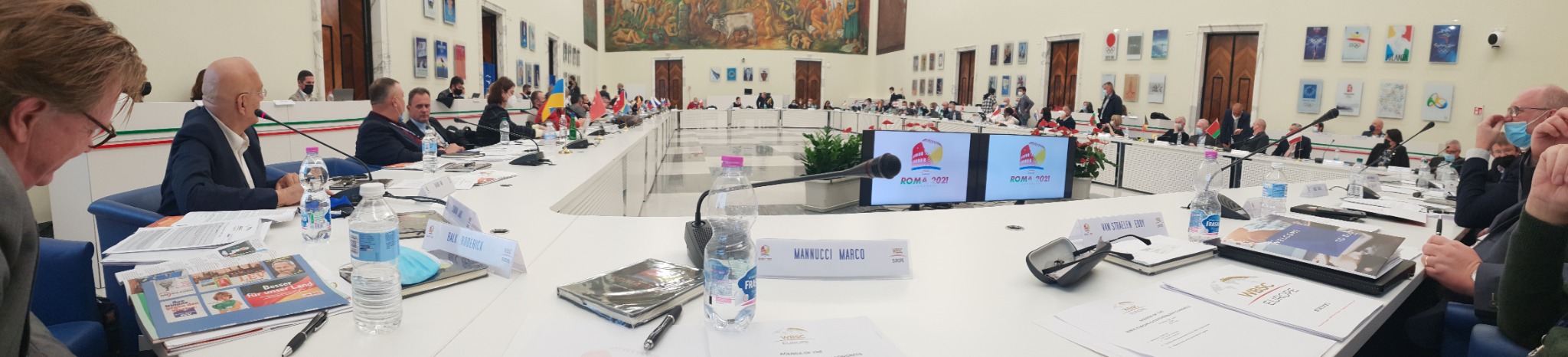
As Vice President within the founding Interim Executive Committee, my work sat inside that transition: relationships, explanation, dialogue and consensus-building across federations and stakeholders with different histories and priorities.
The objective was easy to state and harder to achieve: combine energies, reduce historical separation and create a continental organisation with greater weight, clearer representation and a more unified direction.
Statutes and organisational charts matter. But institutional integration only moves when people understand why the change is necessary and decide to move together.
The transition required constant dialogue across a large European federation network. Different sporting traditions and different expectations had to be translated into a shared governance direction.
Super 6 belongs here rather than under CEB: a visible expression of the principle behind WBSC Europe. Baseball and softball, traditionally governed separately, presented together as one European event product.
It was a practical demonstration of the central idea: together was stronger.
Regional, national and continental governance taught me to look beyond whether an initiative can be delivered.
Those are the same questions I now bring into venues, projects and Major Games operations.