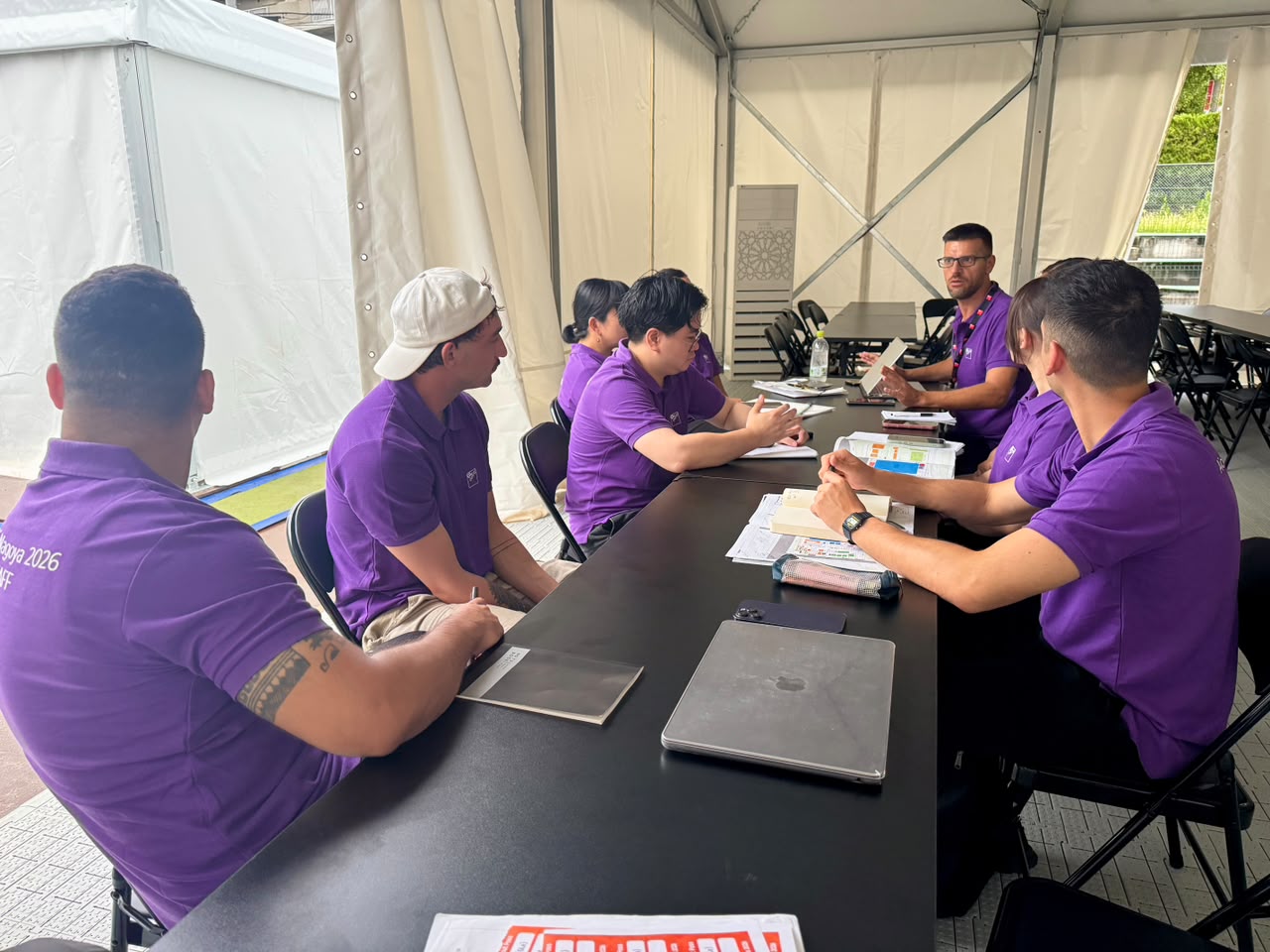
Every major event creates a temporary village. People arrive with highly specific professional functions: sport, press, ceremonies, security, cleaning, logistics, catering, technology, medical, transport, volunteers, public authorities and the permanent venue owner.
Most of them are excellent at their own function. The venue manager's work is not to become better than each specialist at the specialist's job. It is to understand where those functions meet, where they compete for the same space or time, and what decision allows the whole venue to keep moving.
That is why every event feels strangely alive. For a short period, relationships form very quickly. People who may never work together again learn each other's rhythms, shortcuts and pressure points. The building develops its own language.
Then bump-out happens. Desks disappear, radios go silent, temporary walls come down and the people leave. What remains is the permanent building — and, if the event worked, a group of people who briefly felt they belonged to something that did not exist before them.
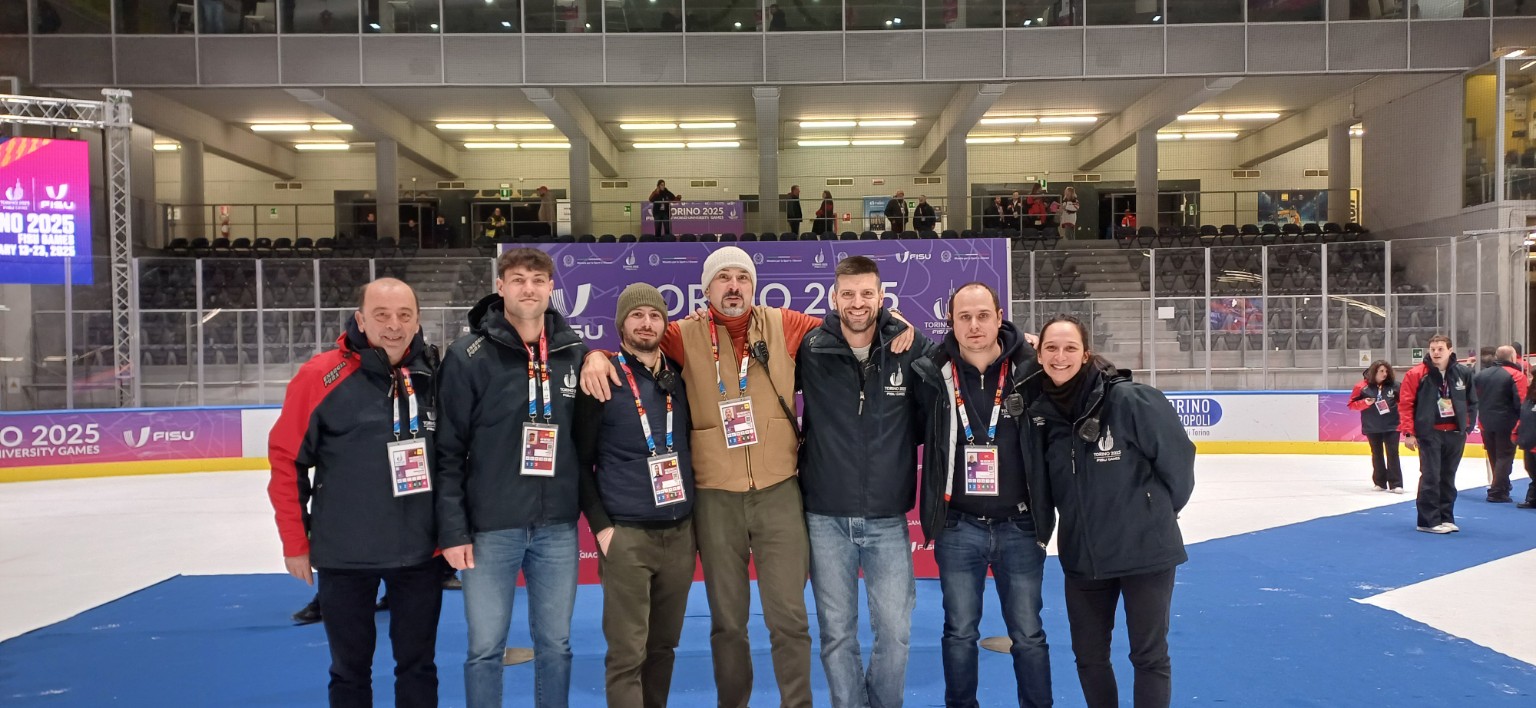
The final day at PalaTazzoli during the Torino 2025 Winter University Games captured that feeling perfectly. A municipal venue lead told me he was exhausted but sorry the event was over, because the building was about to return to its normal routine. That is what a venue can become when the village works.