MARCO
MANNUCCI
03FISU WUG25 · WORLD UNIVERSITY GAMES WINTERTORINO 2025

ONE CLUSTER.
THREE FOP.
VERY DIFFERENT WORLDS.

Cluster Venue Manager across Palavela and PalaTazzoli through planning, preparation and bump-in; then Games-time cluster oversight with a dedicated Venue Manager at Palavela and primary operational focus at PalaTazzoli.

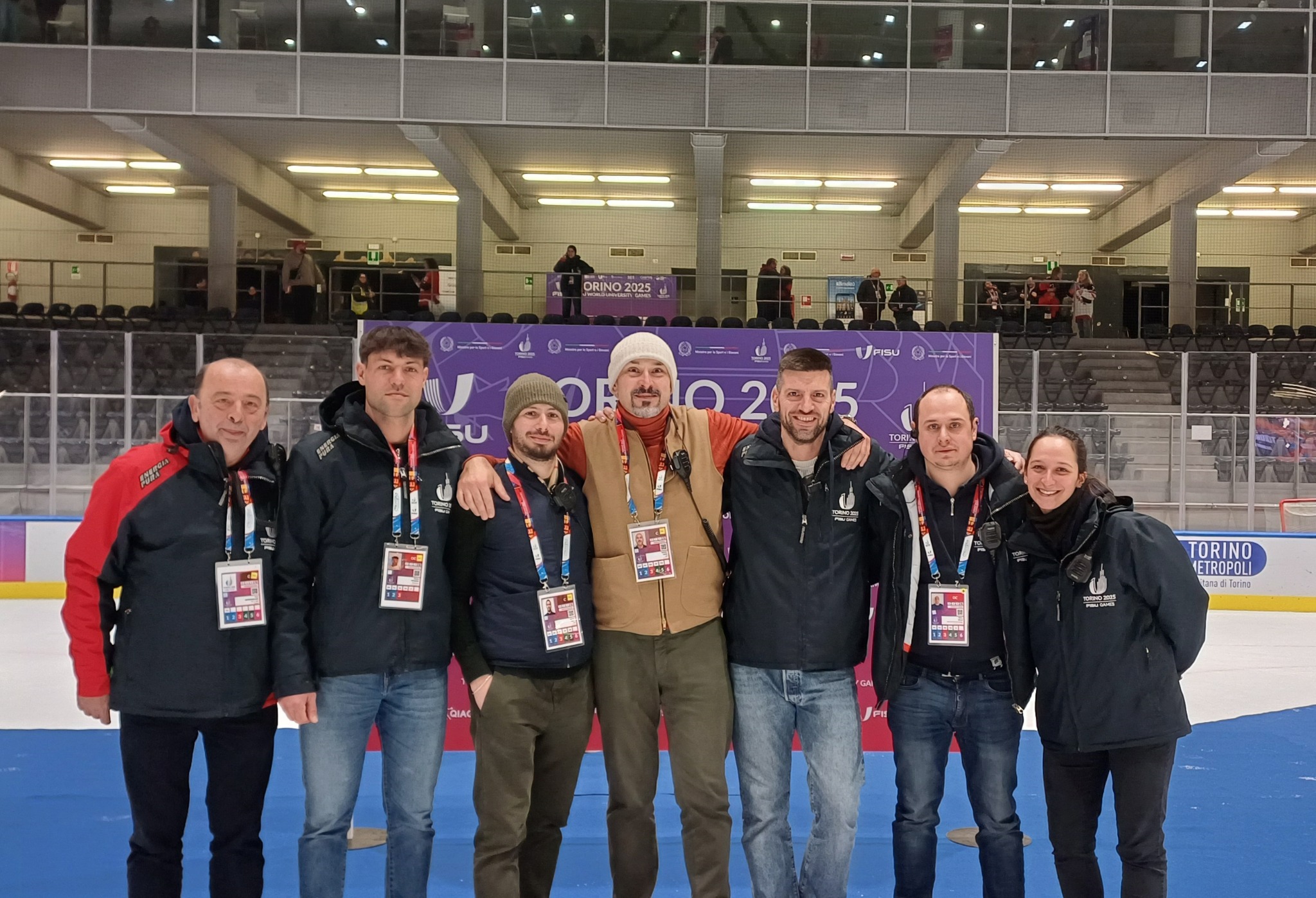
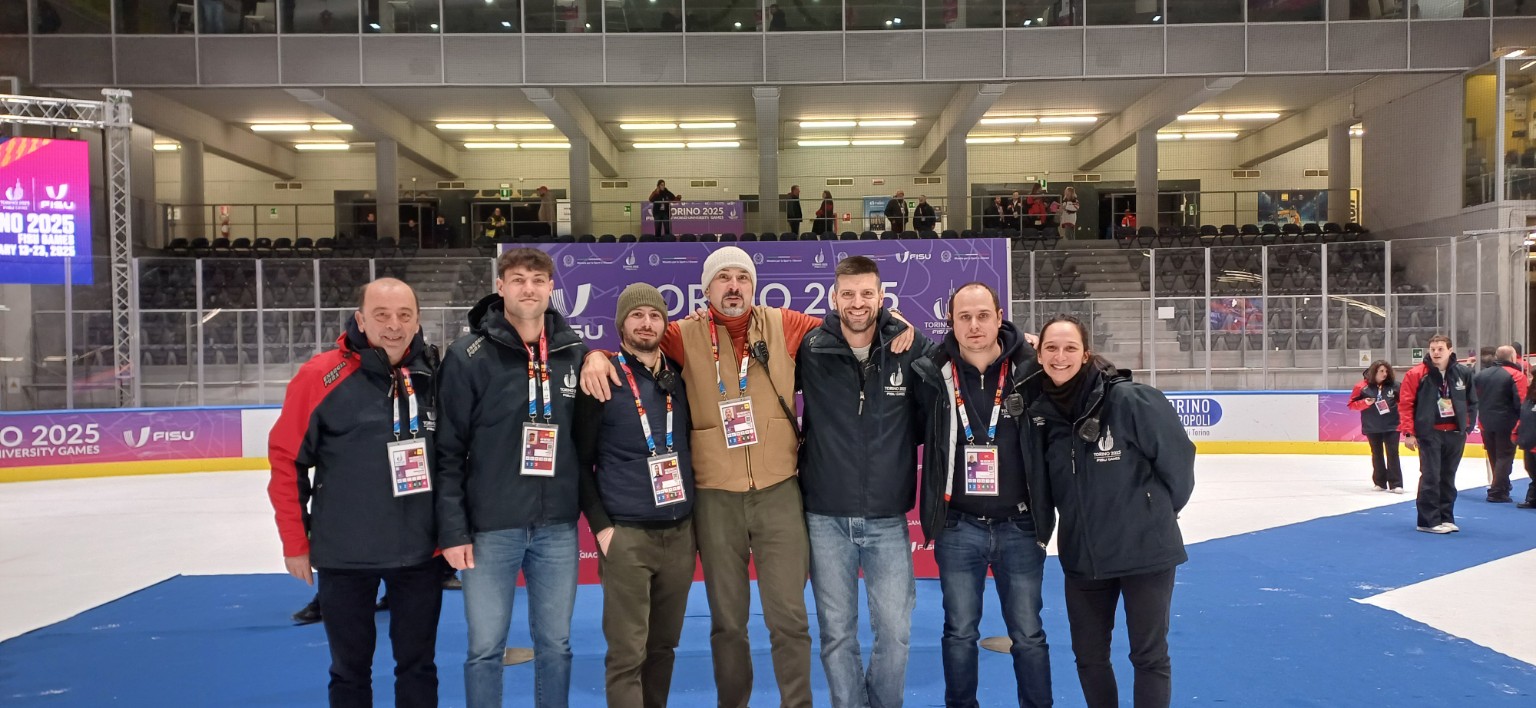
Venue team at PalaTazzoli during Torino 2025
CLUSTERPalavela + PalaTazzoli
FOP3 competition fields of play
SPORTSFigure Skating · Short Track · Ice Hockey · Curling
GAMES-TIME FOCUS~90% PalaTazzoli + cluster verification at Palavela

Planning, venue preparation and bump-in were managed as a true two-venue cluster. As competition approached, the operating reality became clear: two live venues could not be meaningfully controlled by one person in two places at the same time.

I pushed for a dedicated Venue Manager at Palavela. That created the right Games-time structure: Palavela had daily venue leadership; I retained cluster oversight and verification visits while concentrating roughly ninety per cent of my on-site time at PalaTazzoli, where two FOP and a denser competition schedule demanded continuous presence.

Delegation was not about reducing the workload. It was about putting leadership where the operation needed it.
PALAVELA / THE OTHER HALF OF THE CLUSTER

A DIFFERENT VENUE.
A DIFFERENT OPERATING MODEL.

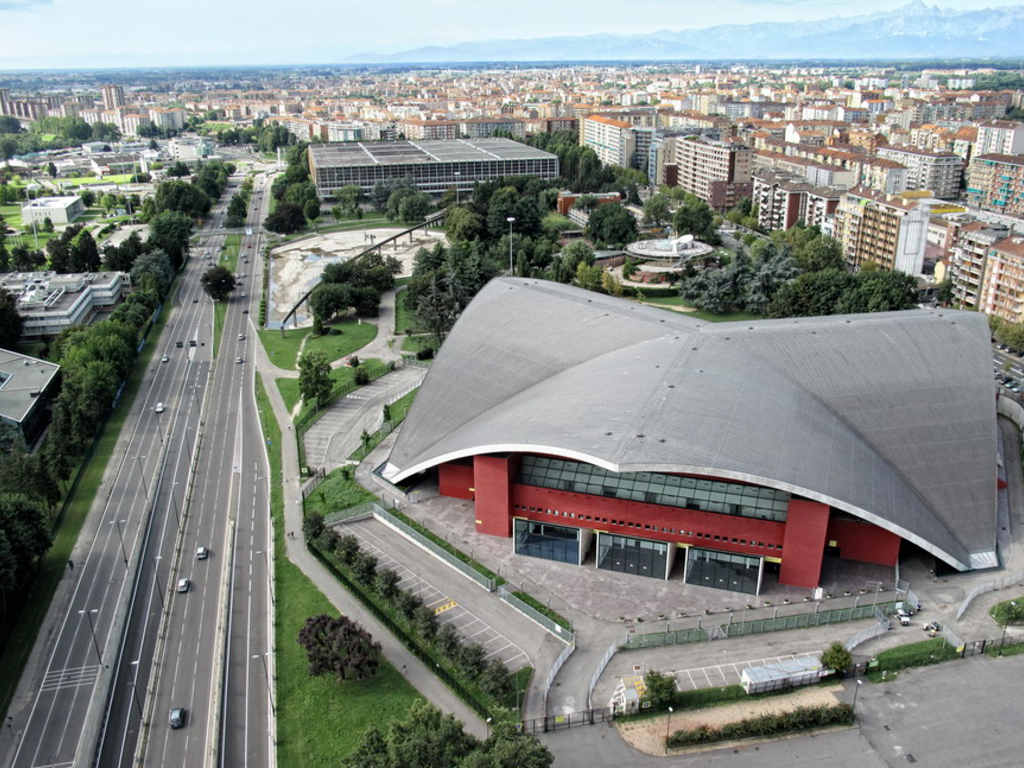
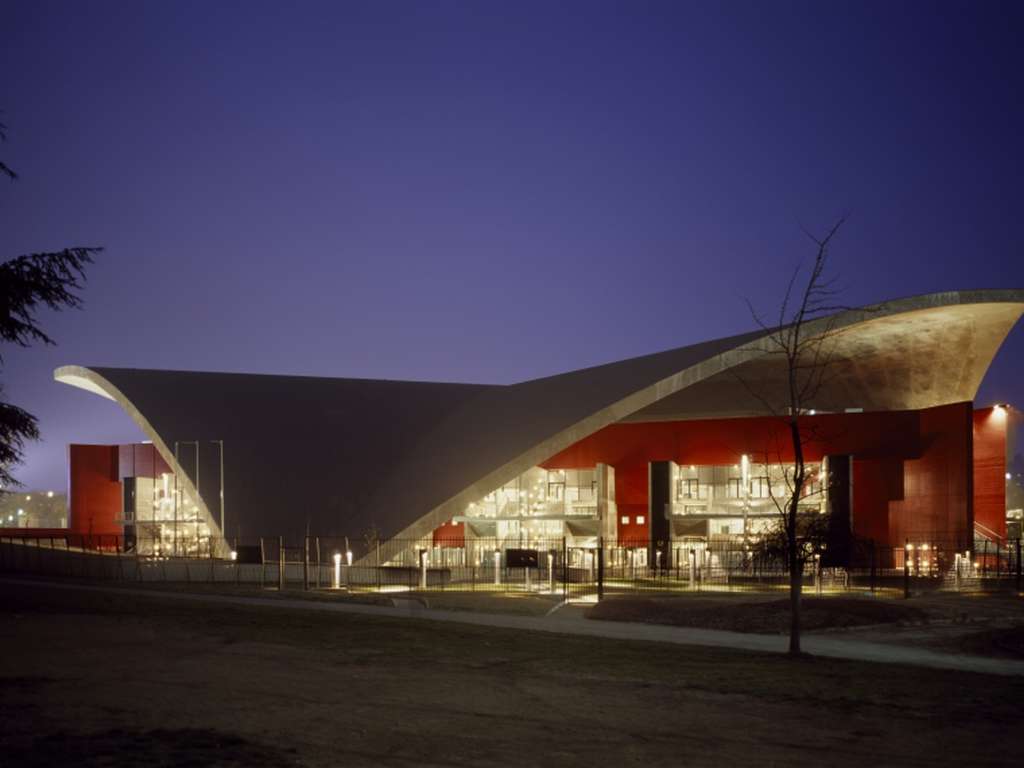
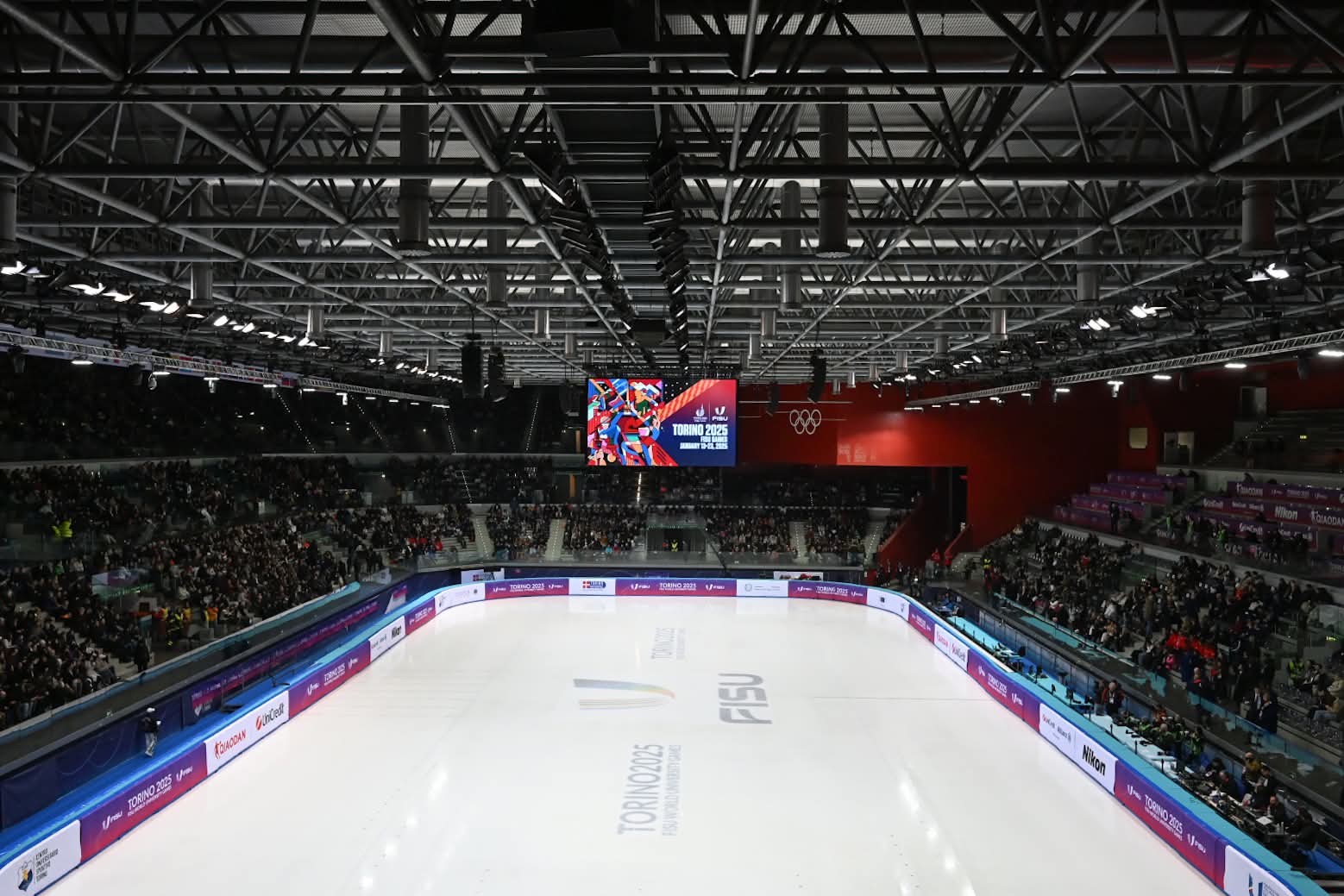
Palavela was not a secondary venue in planning or bump-in. It was one half of the cluster: an established event building hosting Figure Skating and Short Track, with a highly structured venue operator and a very different operating culture from the municipal PalaTazzoli.

Through planning, preparation and bump-in I managed both venues as one cluster. In Games time, after pushing for a dedicated Venue Manager at Palavela, I retained cluster oversight and verification visits while concentrating my continuous presence at PalaTazzoli.

Palavela in live competition configuration during FISU World University Games Winter Torino 2025
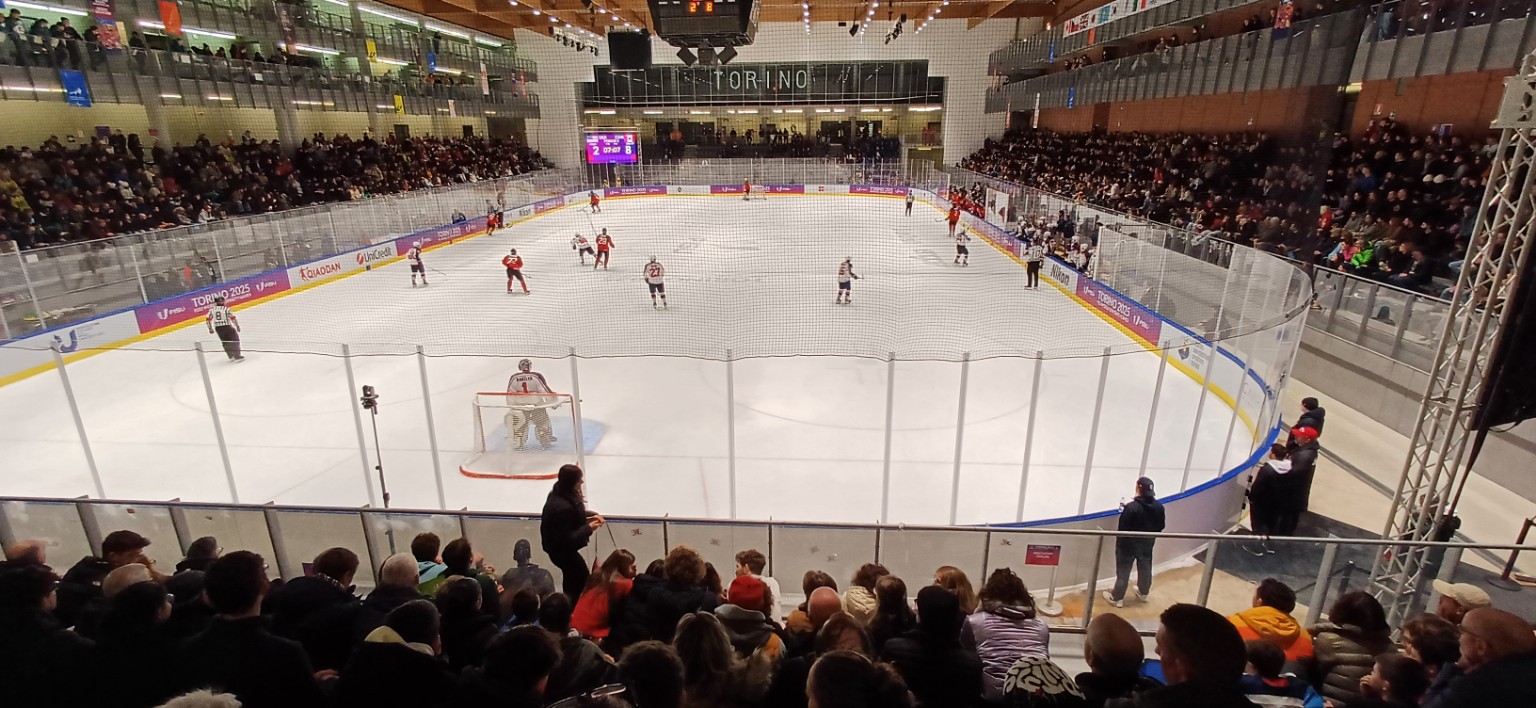
Ice hockey at PalaTazzoli
PISTA 1 / ICE HOCKEY

CONTACT.
SPEED.
ROCK.

Physical collisions, high-energy presentation, a noisy crowd and music at full volume.

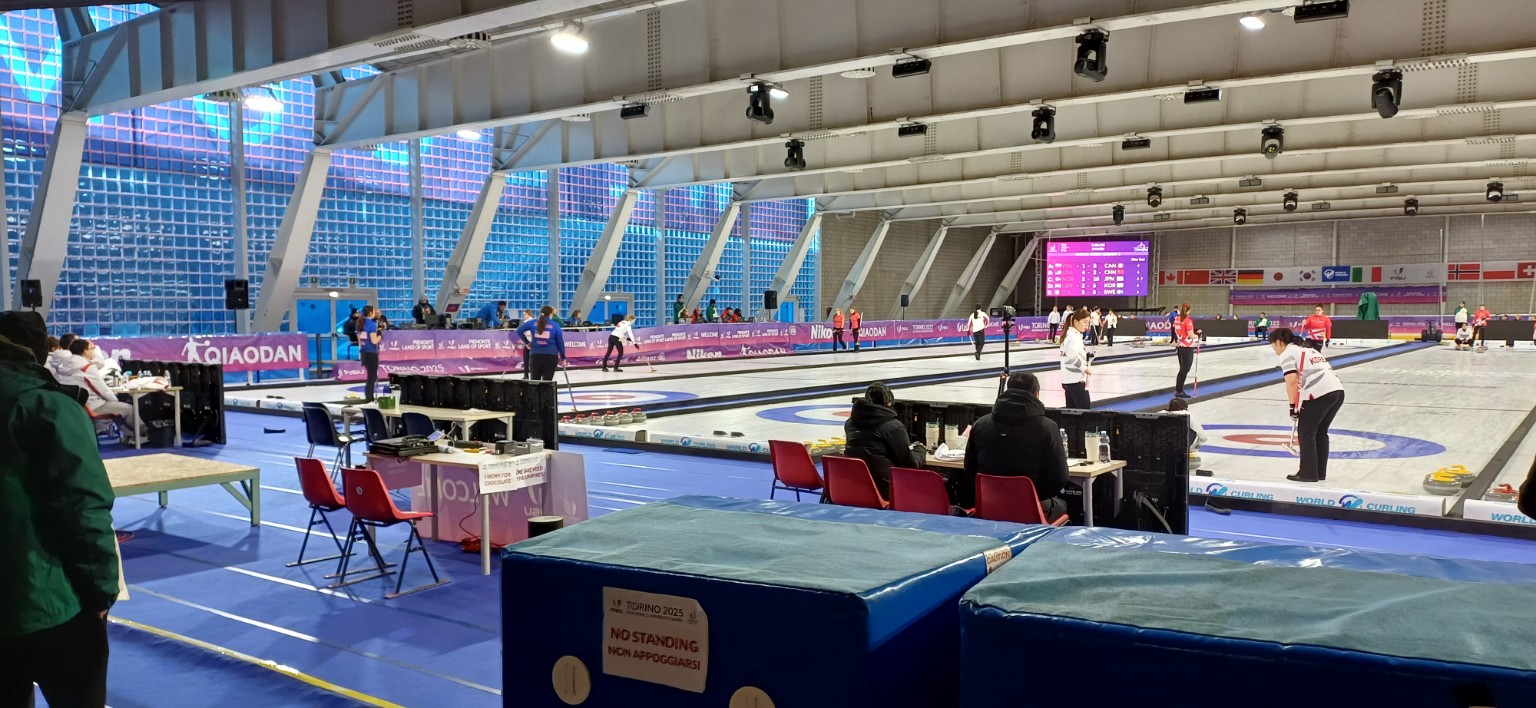
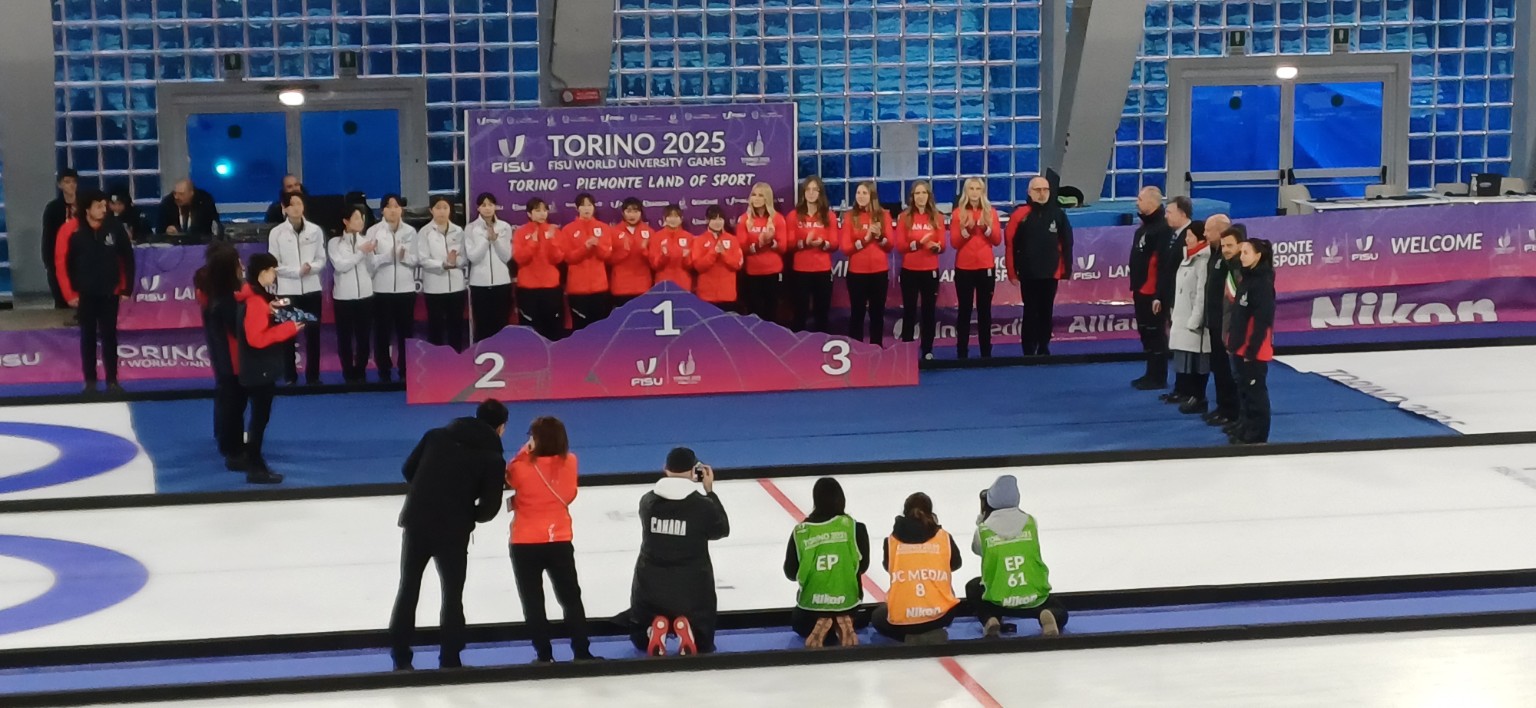
Curling at PalaTazzoli
PISTA 2 / CURLING

PRECISION.
FOCUS.
APPLAUSE.

A few metres away: concentration, ritual, measured voices and almost British applause.

PalaTazzoli is a municipal sports facility. Palavela, by contrast, is operated by an organisation deeply structured around events. That difference was one of the reasons I chose to be personally based at Tazzoli during Games-time.

The task was not to caricature one culture against the other. It was to integrate them. The LOC arrived with Major Event rhythms, temporary structures and compressed decision cycles; municipal staff arrived with deep knowledge of their building and the routines of permanent public-facility management. The venue worked when those strengths stopped behaving as separate systems.

Over a long competition period, several municipal staff became fully absorbed by the energy and pace of the Games. That change of ownership — from “the event in our building” to “our event” — is one of the parts I remember most.

“Sono stanco, ma mi dispiace molto che sia finita. Adesso torniamo alla routine che qui è molto triste.”
Riccardo MarettoMunicipal venue lead at PalaTazzoli · remembered from the final day of bump-out

The men's ice hockey final arrived at the end of the Games, when competition elsewhere had largely finished. It was naturally going to attract not only ticketed spectators, but also staff, delegations and accreditation holders with broad “All” venue privileges.

After close scrutiny from the administrative police during the event, I became the venue's TULPS delegate. Capacity control therefore had a very concrete meaning: the venue could not be safe simply because the public ticket allocation was sold out. Accredited people also had to count.

I anticipated the issue and created a parallel reservation/ticket layer for accredited non-public attendees. Accreditation still established entitlement to the Games environment; for the final, a dedicated ticket controlled the number of people actually entering the venue.

ACCREDITATION ≠ UNLIMITED CAPACITY.
The final became a high-demand event inside the event — with people outside, function heads searching for places and the unmistakable feeling that everyone wanted to be in that room.

The result mattered twice: the capacity stayed under control, and the scarcity itself contributed to the atmosphere. Safety and event energy were not competing objectives.

PREVIOUS STORY

AICHI–NAGOYA

Two venues in Japan →
NEXT STORY

SOI WWG25

Same building, different world →