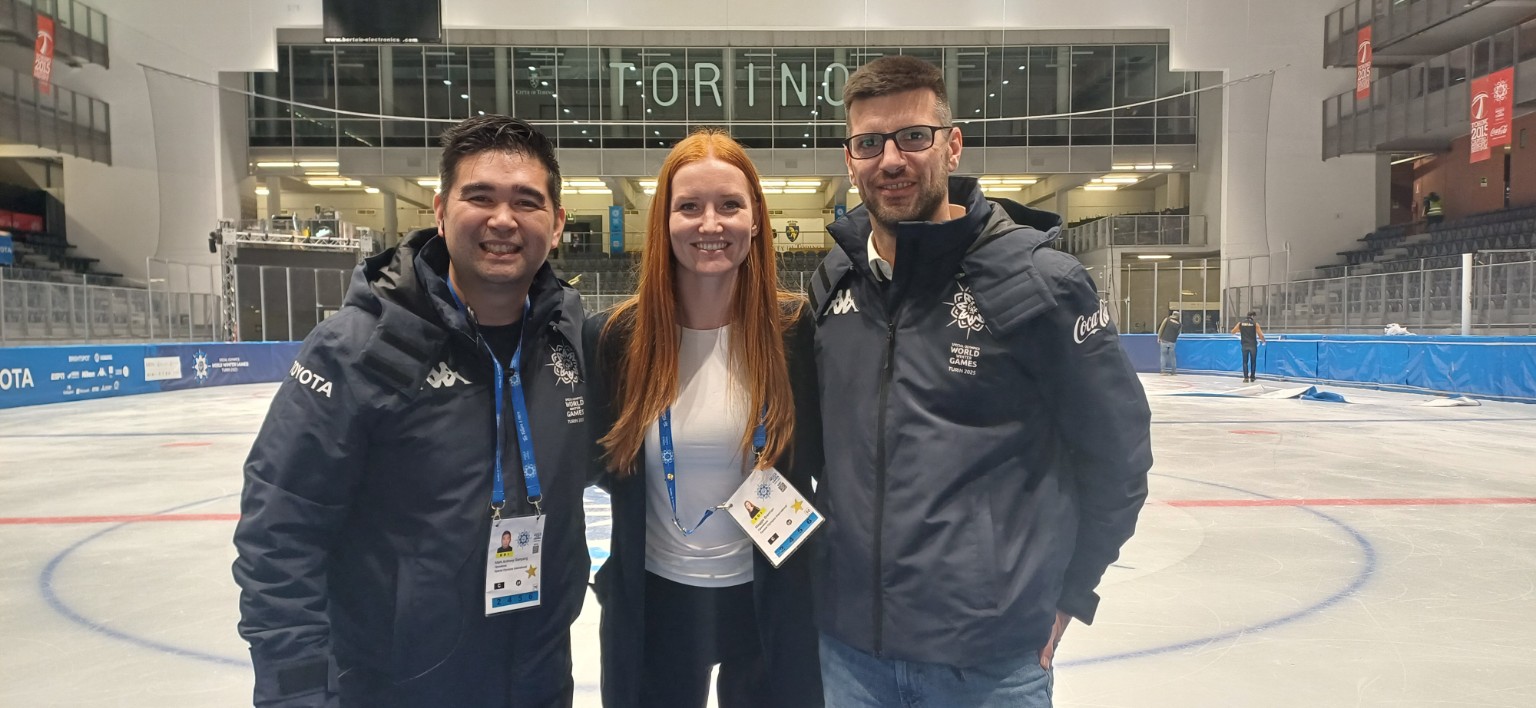
MARCO
MANNUCCI
04SOI WWG25 · SPECIAL OLYMPICS WORLD WINTER GAMESTORINO 2025

THE RIGHTS HOLDER’S VENUE.
A GLOBAL HOUSE.

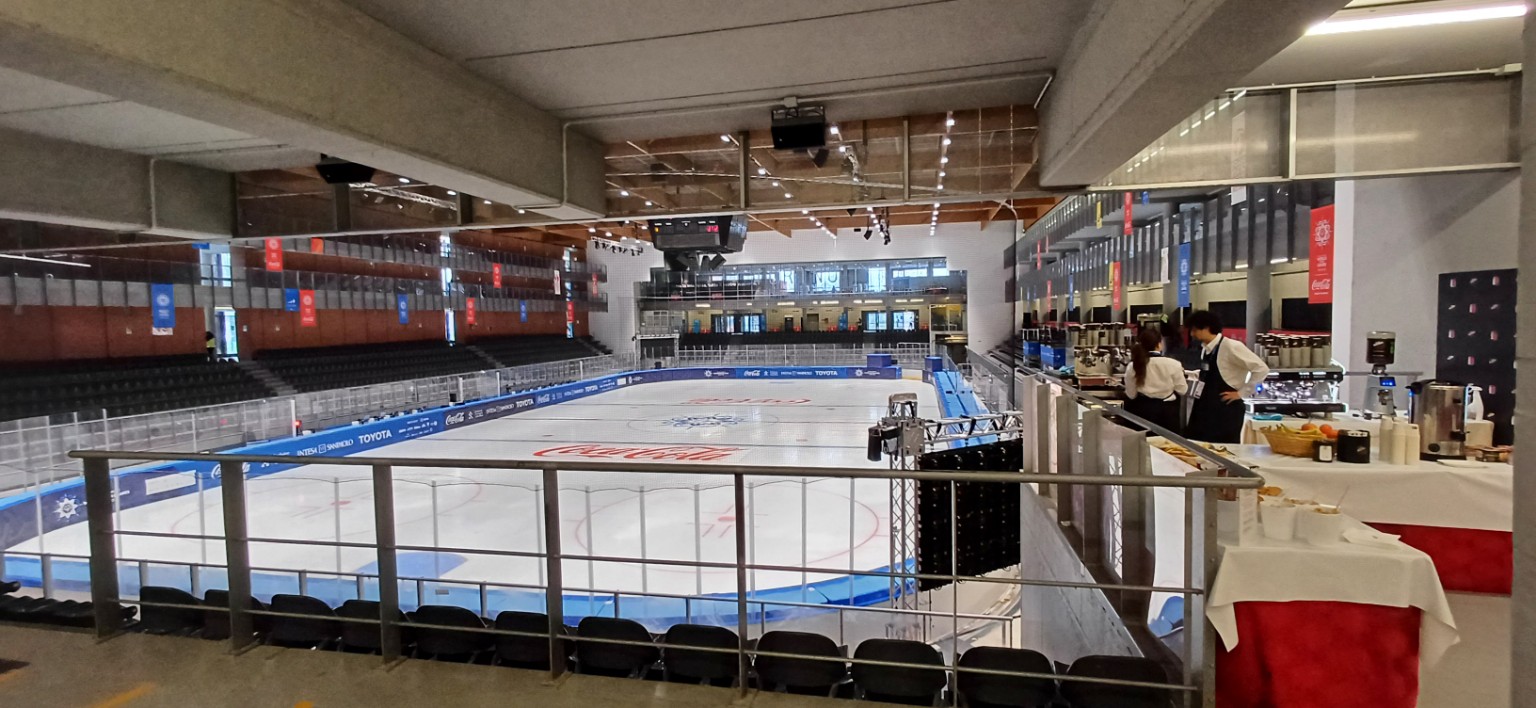
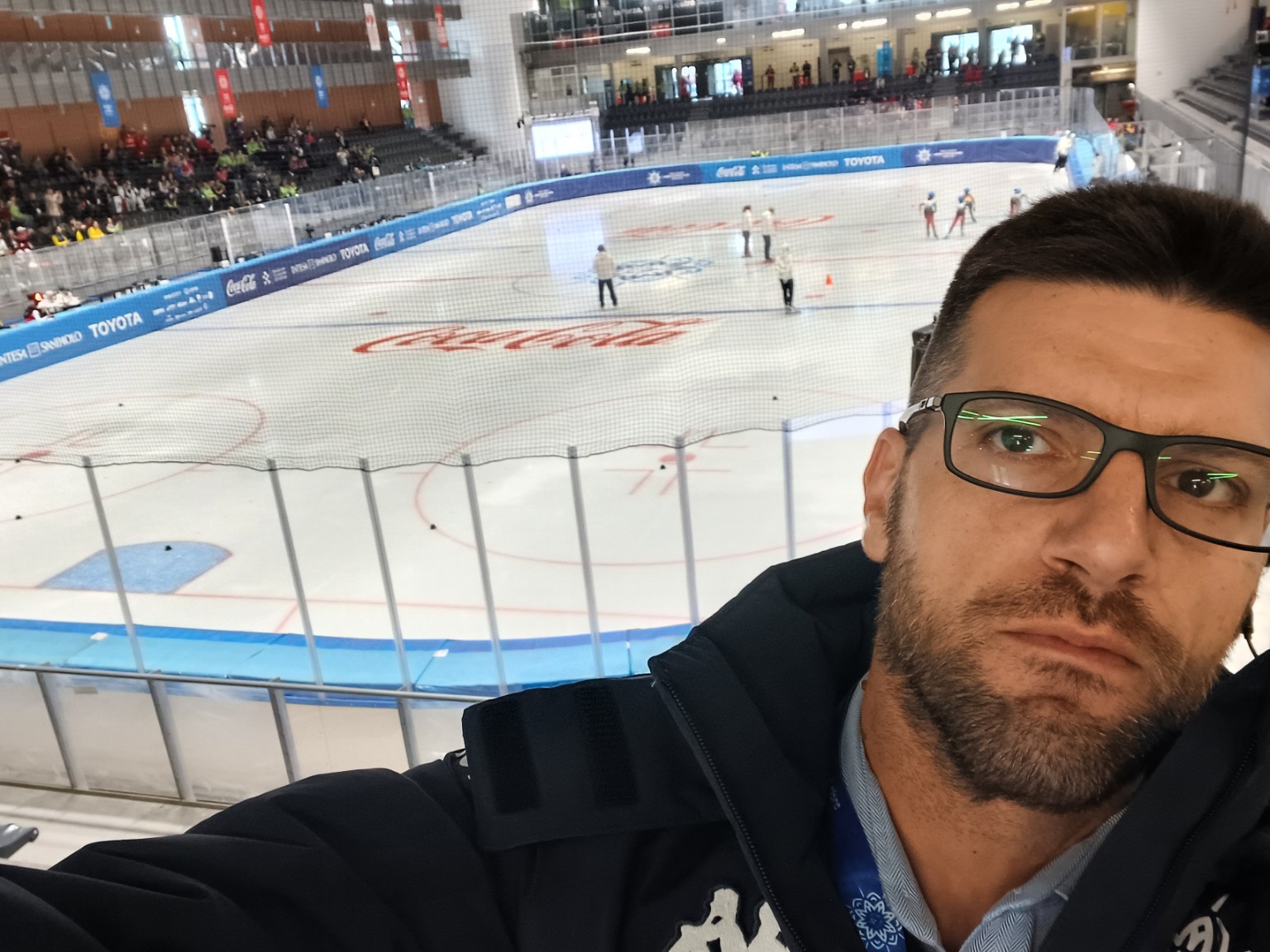
Venue Operations Manager at PalaTazzoli in a distinctive operating model: Special Olympics International directly led the venue operation, creating a highly international environment where competition, families, partners, institutional guests and local delivery all met in the same building.

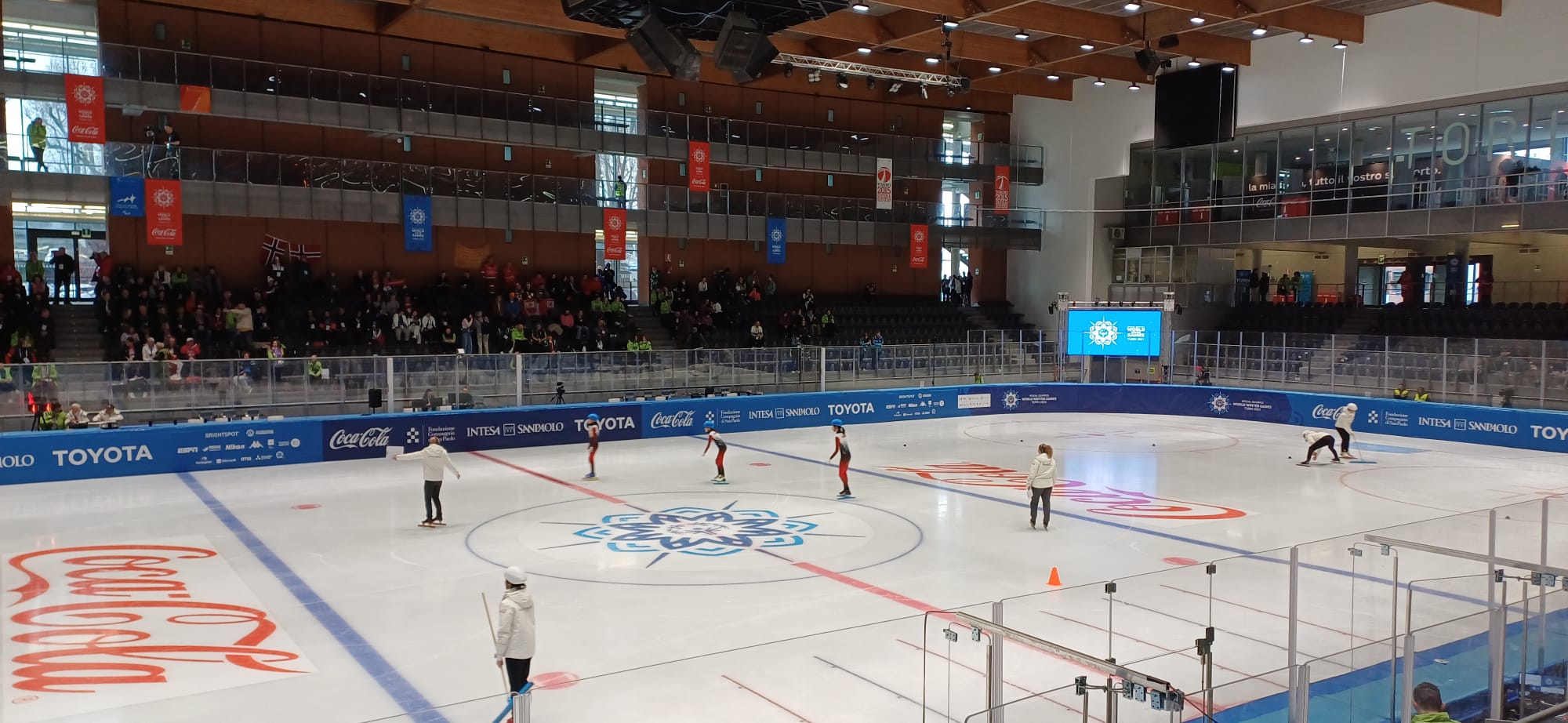
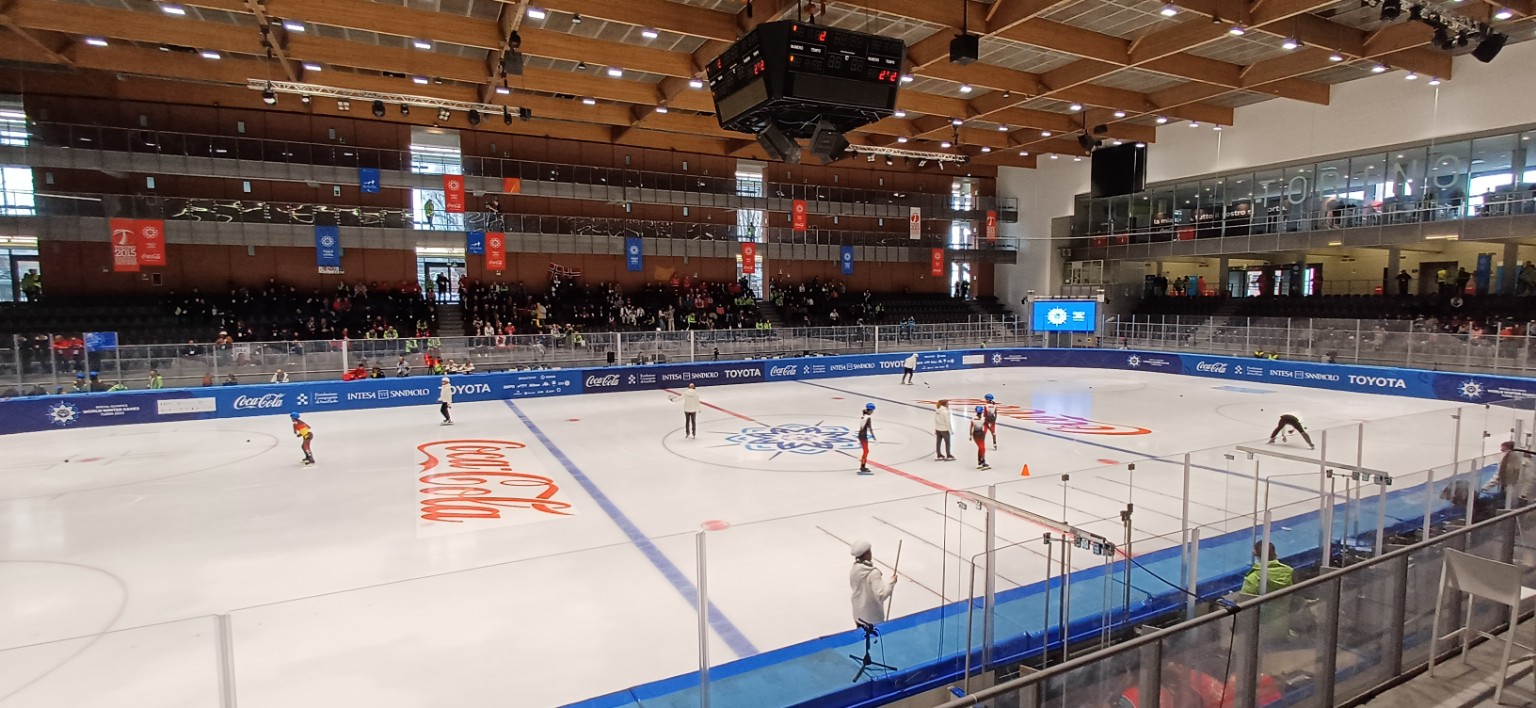
Special Olympics World Winter Games Torino 2025 competition environment at PalaTazzoli
ROLEVenue Operations Manager
VENUEPalaTazzoli · Torino
OPERATING MODELDirect SOI venue management within the Turin 2025 Games system
ENVIRONMENTCompetition · families · partners · VIP / institutional visits

PalaTazzoli became much more than the place where figure skating and short track were delivered. Special Olympics International made the venue a de facto operational home in Turin: strong branding, high-quality supplies, hospitality moments, family activity, international stakeholders and senior Games leadership all converged there.

Within the Turin 2025 model, it was the venue directly managed operationally by Special Olympics International rather than by the LOC. That changed the texture of the job. I was working inside the Rights Holder’s venue environment while still connecting the operation to the local organising structure, the venue owner, public authorities and Italian requirements.

SAME BUILDING.
A COMPLETELY DIFFERENT MEANING.

I had been at PalaTazzoli only weeks earlier for the FISU Games. The building was familiar. The operating culture was not. Special Olympics brought a different energy, a different relationship with athletes and families, and a much more visible international presence inside the venue.
THE HUMAN DIMENSION

THE HUMAN STORY WASN’T AROUND THE SPORT.
IT WAS INSIDE IT.

Turin 2025 brought 1,500 athletes from 102 countries to the World Winter Games. At PalaTazzoli, that scale was felt through the athletes themselves, their families, the international delegations and the global Special Olympics community around them.

The venue hosted moments linked to the Families Program, including the Family Reception, and operated inside an event ecosystem supported by major partners such as Coca-Cola, Toyota and Intesa Sanpaolo. The result was a competition venue that also felt like a meeting place for the movement.

For me, the most powerful part was experiencing elite event standards without losing the human centre of the Games: athletes with intellectual disabilities competing on a world stage, surrounded by families and a community built around inclusion, dignity and belonging.

The venue was deeply international. Special Olympics International brought people, practices and expectations from across the movement. My contribution was also to be the person who knew the local system: the building, the municipality, the public-authority interfaces, the practical constraints and the Italian regulatory environment.

That role was not about translating language. It was about translating operating systems — turning international event requirements into solutions that worked in the specific legal, institutional and physical context of the venue.

INTERNATIONAL EVENT REQUIREMENTS ↔ ITALIAN AUTHORITIES ↔ VENUE REALITY.

I was proud of that position. In a global environment, local knowledge becomes most valuable when it helps the whole team move faster and make better decisions.

One of the most consequential contributions came before Games-time, during the contractual definition of how PalaTazzoli would be managed. My recent FISU experience had made the local public-event regulatory framework very concrete.

I advised keeping a clear separation between operational venue management and statutory licence-holder responsibilities: Special Olympics could run the venue operation and cover the related costs without unnecessarily absorbing legal responsibilities attached to the public-event authorisation held elsewhere in the Games structure.

Later compliance developments during Games-time confirmed why that distinction mattered. The point was not to avoid accountability; it was to place each responsibility with the party formally equipped to hold it.

GOOD VENUE MANAGEMENT IS ALSO KNOWING WHERE OPERATIONAL CONTROL ENDS — AND WHERE FORMAL ACCOUNTABILITY BEGINS.

That judgement helped build trust with senior Special Olympics colleagues because it showed a perspective beyond day-to-day operations: reading the system around the venue, not only the venue itself.

HIGH-PROFILE VISITS

KEEP THE VENUE LIVE
WHILE THE PROTOCOL CHANGES.

PalaTazzoli also hosted high-profile institutional visits, including Italian Prime Minister Giorgia Meloni and U.S. Second Lady Usha Vance, while senior Games figures such as Turin 2025 LOC President Patrizia Sandretto Re Rebaudengo were part of the venue’s international stakeholder environment. Those moments added a further layer to a venue that still had athletes, families, competition schedules and normal Games-time flows to protect.

With responsibility across BOH coordination and the operational interface with security, I used detailed knowledge of the building to support visiting delegations. For the Prime Minister’s visit, I advised her delegation on the most effective movement sequence through the venue, balancing institutional requirements with BOH operations, competition activity and the live environment.

The useful skill was not “VIP management” in isolation. It was maintaining the event while a different operating layer temporarily moved through it.

THE VENUE WAS GLOBAL. MY VALUE WAS OFTEN LOCAL: KNOW THE BUILDING, KNOW THE SYSTEM, AND MAKE THE TWO WORK TOGETHER.
Special Olympics World Winter Games Torino 2025PalaTazzoli · Venue Operations Manager
PREVIOUS STORY

FISU WUG25

One cluster, three FOP →
NEXT STORY

TDR24

Build the experience →